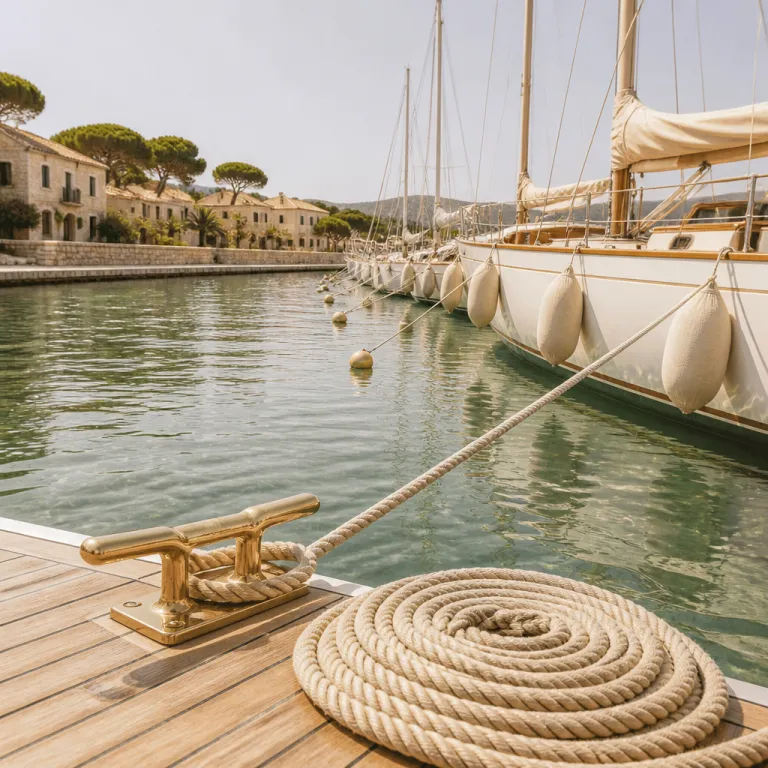
Understanding what the rules for mooring in Croatia mean for luxury travellers
When guests ask what are the rules for mooring in Croatia, they usually expect clarity and comfort. Luxury travellers booking a cruise or a hotel and boat package along the Croatian coast need rules translated into simple decisions about where to sleep, dine, and safely leave their yacht. In Croatia, mooring regulations now blend safety, environmental protection, and premium service, which directly shapes how you plan each night of your sailing holiday.
The Croatian Ministry of the Sea, Transport and Infrastructure sets the national framework for every marina, anchoring zone, and regulated stretch of water. Its navigation safety regulations (for example the Ordinance on the conditions and manner of maintaining order in ports and other parts of internal waters and territorial sea of the Republic of Croatia, NN 72/2022 and later amendments) focus on three pillars: safe navigation, protection of marine ecosystems, and standardized anchoring and mooring practices that apply equally to private boats and high end yacht charter fleets. For travellers, this means that every choice of marina berths, mooring buoys, or anchoring spots must respect local rules, especially in protected areas and national parks along the Adriatic Sea.
Before you confirm a cruise cabin or a hotel with an attached charter base, ask how the operator manages moorings and marinas on your route. A reputable yacht charter company in Croatia will brief you on where anchoring is prohibited, which mooring options are pre booked, and how close you may stay in meters from the shore in sensitive bays. This is where the main question — what are the rules for mooring in Croatia — becomes a practical checklist that influences your itinerary, your choice of boat Croatia packages, and even the timing of your trip between July and August or the quieter months of September and October.
From marina Agana to iconic port cities ; how rules shape your overnight stays
Iconic port cities on the Croatian coast, from Split to Dubrovnik, combine five star hotels with sophisticated marinas, and the mooring rules quietly structure every elegant arrival. When you sail into a marina, the harbour master will assign marina berths according to your yacht length, draft, and sometimes your sailing license, while ensuring that safety distances of several meters between boats are respected. This is why travellers booking both a hotel suite and a yacht charter should always share their vessel details in advance, including the exact length of anchor chain and overall boat length.
Marinas such as ACI Marina Trogir or Marina Baotić near Seget Donji, often used as charter bases close to Split, illustrate how regulations and hospitality meet in practice. These marinas offer organized moorings, clear depth markings in the water, and staff trained to guide visiting boats through local anchoring rules, which is particularly valuable during the busy July and August peak. When you plan a premium stay that combines a seafront hotel in a historic Croatian city with a departure from marina Agana or a nearby base, ask the concierge or charter team what specific mooring Croatia rules apply in nearby bays and which marinas require advance reservations.
In glamorous ports such as Cannes, similar principles apply, and comparing them helps refine your expectations for Croatia. Guides to an elegant gateway like the Cannes cruise port on the French Riviera show how premium marinas manage traffic, third party services, and environmental standards, and Croatian marinas are moving in the same direction. When you evaluate different marinas and mooring options along the Croatian coast, look for those that mirror this level of organization, with clear information about anchoring, moorings, and protected areas available before you even step on board.
Anchoring, buoys, and protected areas along the Croatian coast
The most delicate part of understanding what are the rules for mooring in Croatia concerns anchoring in bays and national parks. In several Croatian national parks, such as Kornati National Park or Mljet National Park, anchoring is prohibited in core zones; you must use designated mooring buoys or marked berths, and this rule is strictly enforced to protect seagrass meadows and marine life. For a luxury sailing holiday, this means that your captain or skipper must plan overnight stops around official buoy fields and marinas rather than casual anchoring close to untouched beaches.
Along the wider Croatian coast, anchoring is usually allowed outside protected areas, but only when you respect local restrictions, depth, and safe distances from other boats. You should always calculate the correct length of anchor chain according to depth in meters and expected wind, which is a crucial safety factor for both private yachts and larger Croatia yacht charter vessels. Many premium operators now include detailed briefings on anchoring and mooring techniques, explaining how far you may stay in meters from the shoreline and which bays have seasonal bans during July and August or even into September and October.
Digital tools now make it easier to align your plans with regulations while you enjoy refined days ashore. The Croatian Hydrographic Institute supports the Nautical Information Service app, which shows official data on anchoring bans, mooring fields, and water depths, and this is particularly useful when your cruise itinerary includes remote islands with limited marina berths. When you combine this information with curated port guides such as the St Maarten cruise port map and guide, you gain a global perspective on how premium destinations manage anchors, moorings, and environmental protection.
How regulations affect yacht charter, third party services, and hotel linked bases
For guests booking a yacht charter through a luxury cruise and hotel platform, the question what are the rules for mooring in Croatia quickly becomes a matter of service quality. A serious charter base will integrate Croatian Ministry regulations into every stage of your journey, from the first briefing at check in to nightly updates about marinas and anchoring zones. This is especially relevant when third party skippers, transfer companies, or concierge teams coordinate your movements between a city hotel and your waiting boat.
Many charter bases along the Croatian coast, including those near Agana and Split, now rely on digital navigation aids to keep guests informed. They use official nautical charts, the Nautical Information Service app published by the Croatian Hydrographic Institute, and harbour authority notices to update you on temporary bans, new mooring options, or changes in marina berth allocation, which can occur during busy July and August weeks. When you book a premium sailing holiday, ask explicitly what tools your operator uses, how they monitor protected areas, and whether they provide clear guidance on anchor chain length, anchoring and mooring etiquette, and emergency contacts.
Hotel concierges in major Croatian cities increasingly coordinate with charter bases to streamline arrivals and departures. They can arrange transfers directly to marina Agana or other marinas, confirm your boat Croatia registration documents, and even check that your sailing license meets Croatian requirements before you reach the dock. This integrated approach ensures that your yacht, your hotel suite, and your onshore experiences align with local rules on mooring Croatia wide, reducing stress and allowing you to focus on the sea, the water, and the refined pleasures of coastal life.
Seasonality, crowding, and how many meters really matter in Croatian marinas
Seasonality has a direct impact on what are the rules for mooring in Croatia in practice, even though the legal framework remains constant. During July and August, when charter fleets, private yachts, and cruise tenders converge on the same marinas, harbour masters enforce spacing rules in meters between boats with particular rigour. Guests on luxury vessels often notice that staff insist on precise anchor chain deployment and careful stern mooring techniques, because a single mistake can affect several neighbouring boats.
In the quieter months of September and October, the same marinas feel more relaxed, yet the underlying Croatian Ministry regulations still apply to every yacht and boat. This shoulder season can be ideal for travellers who want premium hotels, calm marinas, and easier access to marina berths without sacrificing the charm of the Croatian coast. When planning your sailing holiday, consider how crowding affects mooring options, especially if your itinerary includes smaller marinas with limited water depth and fewer services than major hubs like Split or Dubrovnik.
High end operators often adjust itineraries by season to respect both safety and guest comfort. In peak months, they may favour larger marinas with extensive moorings and clear traffic management, while in shoulder periods they can include more intimate bays where anchoring is allowed outside protected areas. When you evaluate different Croatia yacht itineraries, ask what seasonal adjustments are made to mooring Croatia wide, how many meters of clearance are typically guaranteed in each marina, and whether alternative ports are planned in case of sudden weather or regulatory changes.
Planning a refined itinerary ; from regulations to real experiences on the Croatian coast
Turning the question what are the rules for mooring in Croatia into a seamless travel experience requires thoughtful planning and the right partners. Start by choosing a yacht charter or cruise operator that openly references Croatian Ministry guidelines, uses official nautical charts, and trains its crews in both anchoring and mooring techniques and guest facing hospitality. This combination of regulatory compliance and service excellence is what allows you to enjoy iconic port cities, quiet bays, and national parks without worrying about fines or environmental damage.
Next, align your hotel choices with your maritime plans, especially if you are using a specific charter base such as marina Agana or another major marina. Select properties that understand sailing culture, can arrange transfers directly to the dock, and are familiar with local rules on anchor use, protected areas, and marina berth allocation, which vary along the Croatian coast. Some luxury itineraries even integrate innovative experiences, such as hydrogen powered lake cruises presented in guides like hydrogen luxury on hidden lake routes, to highlight how sustainable navigation is shaping the future of mooring and anchoring worldwide.
Finally, remember that every decision on the water has both legal and environmental implications. The Croatian Hydrographic Institute advises: "Consult official nautical charts before anchoring.", "Use designated mooring buoys in protected areas.", "Avoid mooring to vegetation or unauthorized structures.", and following this guidance is essential for responsible travel. When you combine these principles with attentive crews, well managed marinas, and carefully chosen hotels, the rules for mooring Croatia wide become the invisible framework that supports a safe, elegant, and deeply rewarding journey along one of Europe’s most beautiful coasts.
Key figures and statistics for mooring and sailing in Croatia
- According to the Croatian Hydrographic Institute and Ministry publications, Croatia has more than 70 officially categorized nautical tourism ports, including around 60 marinas along its Adriatic coastline, which gives travellers a wide range of marina berths and mooring options from large city hubs to intimate island harbours (always verify against current Ministry and port authority lists).
- The Croatian coastline, including islands, extends for approximately 6 278 km, meaning that regulations on anchoring, moorings, and protected areas cover a vast and varied maritime environment (data based on Croatian Hydrographic Institute figures; travellers should check the latest official statistics).
- Recent navigation safety regulations introduced by the Croatian Ministry of the Sea, Transport and Infrastructure, including the Ordinance on maintaining order in ports and internal waters (NN 72/2022 and subsequent updates), aim to enhance safety, protect the marine environment, and standardize anchoring and mooring practices, with ongoing amendments and clarifications over time; travellers should always consult the latest official notices.
- National parks and other protected areas along the Croatian coast increasingly rely on organized mooring buoys instead of free anchoring, which concentrates boats in controlled zones and reduces damage to sensitive seabeds, especially in destinations such as Kornati, Mljet, Brijuni, and Telašćica Nature Park.
- The growth in the use of digital navigation aids, such as the Nautical Information Service app supported by Croatian authorities and linked from the Croatian Hydrographic Institute’s official pages, reflects a broader shift toward real time information on anchoring bans, mooring fields, and local restrictions for both private yachts and charter fleets.
FAQ about mooring rules and premium sailing experiences in Croatia
Is anchoring allowed in Croatian national parks ?
Anchoring is prohibited in many zones; use designated mooring buoys or marked berths, because national parks protect fragile seabeds and marine habitats. Luxury and charter yachts must reserve or use assigned buoys where available, and crews should always check local notices before arrival. This rule applies regardless of vessel size, season, or whether you are on a private or commercial sailing holiday.
Are there fees for mooring in Croatia ?
Yes, fees vary by location and vessel size, and they are usually higher in popular marinas and during July and August. Charges can apply to marina berths, organized moorings, and buoy fields in protected areas, while some anchorages outside national parks may remain free. As a rough guide, smaller marinas can charge from tens of euros per night, while premium city marinas for larger yachts may reach several hundred euros; travellers should ask their yacht charter base or hotel concierge for up to date price ranges along their planned route and consult official port authority tariffs where available.
Can I moor to any structure along the coast ?
No, mooring to unauthorized structures is prohibited, and doing so can result in fines or damage to private property. You should only use official marina berths, public quays where permitted, or designated mooring buoys and bollards. When in doubt, contact the local harbour master or your charter company before tying up your boat.
Do I need a sailing license to charter a yacht in Croatia ?
Skippers of bareboat charters generally need a recognized sailing license and a VHF certificate that meet Croatian standards, as listed by the Ministry of the Sea, Transport and Infrastructure. If you do not hold the required documents, you can hire a professional skipper as a third party service through your charter base or travel advisor. Always send scans of your certificates in advance so the operator can confirm compliance before you arrive.
How can I stay informed about local mooring and anchoring restrictions ?
The most reliable information comes from official nautical charts, harbour master offices, and digital tools endorsed by Croatian authorities. Many charter companies encourage guests to use the Nautical Information Service app, which provides updates on anchoring bans, protected areas, and mooring fields. Combining these tools with briefings from your skipper or concierge ensures that your itinerary respects all current regulations.