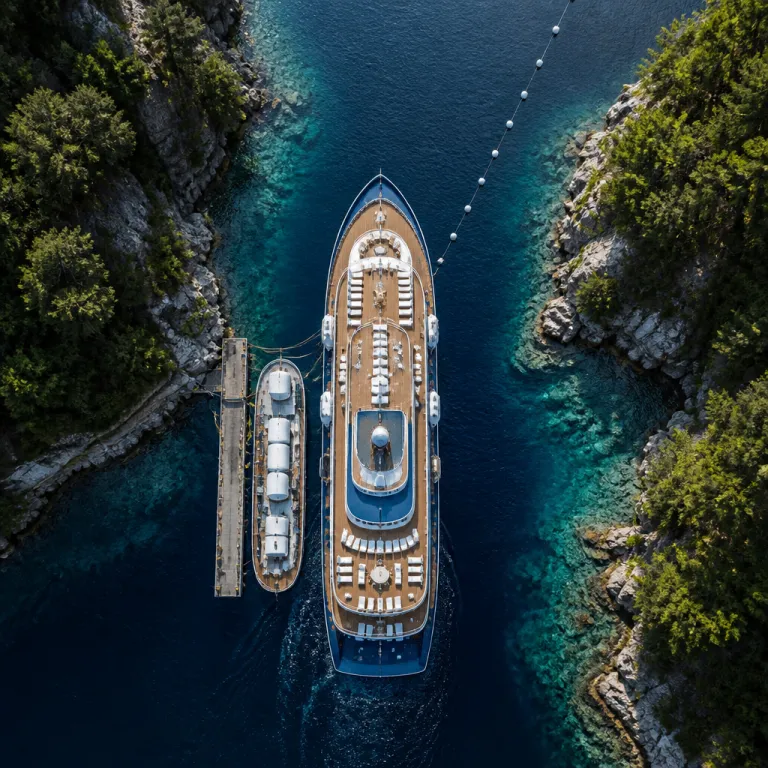
Ms saphir as a new kind of luxury passenger ship
MS Saphir is a hydrogen powered passenger ship redefining lake cruising on Lake Lucerne in central Switzerland. On this serene alpine lake, the elegant motor vessel offers premium travelers a quieter, cleaner way to reach hidden coves and discreet waterfront hotels. The vessel Saphir glides with a calm that feels almost surreal, especially when you realize its hydrogen based propulsion system runs virtually emission free and leaves only water vapor behind.
Operated by SGV Holding, the navigation company behind the historic Schifffahrtsgesellschaft des Vierwaldstättersees, MS Saphir combines Swiss maritime heritage with cutting edge clean energy technology. SGV has positioned this passenger ship as Switzerland’s first hydrogen powered flagship, using a fuel cell system to transform green hydrogen into electrical energy for propulsion. For guests comparing luxury cruises, this means a refined onboard atmosphere, fewer vibrations from the motor, and a more intimate connection with the water and surrounding mountains.
From a hospitality perspective, MS Saphir is more than a vessel; it is a moving lounge that links five star lakeside properties, secluded spa retreats, and characterful city hotels in Lucerne. The motor vessel operates at a comfortable cruising speed of around 25 km per hour, which is ideal for guests who want to photograph the shoreline or plan their next stay while on board. With a passenger capacity of about 300 persons, confirmed by SGV Holding, the ship balances exclusivity with enough space to feel relaxed, even during peak travel periods.
Hydrogen based propulsion and what it means for luxury travelers
Behind the calm decks of MS Saphir lies a sophisticated hydrogen based propulsion architecture that Shiptec and the navigation company developed specifically for Lake Lucerne. At its heart is a fuel cell system that converts hydrogen into electrical energy, which then powers the ship’s electric motor and auxiliary systems. Because this fuel cell process emits only water vapor, the passenger ship operates in an almost emission free way, which significantly enhances air quality on deck and around des Vierwaldstättersees.
The Conversion Saphir project, realized with engineering partner Shiptec, shows how a modern vessel can integrate hydrogen fuel technology without compromising comfort or style. Shiptec and the company SGV designed the propulsion system so that the motor vessel accelerates smoothly, with minimal noise and vibration reaching passenger areas. One SGV project manager described the first test run as “like sailing on an electric cloud,” a reaction that captures how different the experience feels compared with a conventional diesel ship.
From a sustainability standpoint, Saphir hydrogen operations rely on a dedicated green hydrogen supply chain, including a production plant and a lakeside filling station near Lucerne. This hydrogen fuel is produced using renewable energy, then stored and transferred safely to the vessel MS Saphir before each navigation cycle. Travelers who prioritize eco conscious stays can therefore align their hotel choices with an emission free cruise, especially when planning multi night itineraries that combine Lucerne navigation with other premium routes in Switzerland and beyond.
From diesel to saphir hydrogen: the conversion story
The initiative known as Conversion Saphir marks a decisive shift from conventional diesel engines to hydrogen based propulsion on Lake Lucerne. Instead of commissioning a completely new ship, SGV and Shiptec opted for a deep technical conversion of an existing motor vessel, preserving the hull while replacing the combustion motor and fuel tanks with a fuel cell system and hydrogen storage. This approach reduced material waste and allowed the navigation company to keep a familiar passenger ship silhouette on des Vierwaldstättersees.
During the conversion, engineers removed the old fuel based propulsion components and installed modular fuel cell stacks, power electronics, and electric drives. The new system distributes electrical energy efficiently to the propulsion motor and hotel load, powering lighting, climate control, and onboard services that matter to premium travelers. For guests, the most noticeable change is the smoother acceleration curve, which makes standing on deck or carrying drinks from the bar far more comfortable during maneuvers and harbor approaches.
Conversion Saphir also required new safety concepts, from hydrogen storage integration to the design of the lakeside filling station and the nearby production plant. These facilities ensure that green hydrogen is produced, compressed, and delivered under strict Swiss standards before being transferred to MS Saphir. According to SGV and Shiptec, this level of engineering rigor is comparable to the safety concepts used on advanced expedition vessels, underlining how seriously the company treats hydrogen based propulsion on Lake Lucerne.
Hidden gems by sea on lake Lucerne for hotel guests
MS Saphir opens up a network of hidden gems by sea that many hotel guests in Lucerne never experience. Because the passenger ship operates frequent services across Lake Lucerne, you can step from a city hotel lobby onto a hydrogen powered vessel within minutes and reach quiet bays, car free villages, and discreet spa resorts. The Lucerne navigation timetable allows you to plan day trips that combine lakeside hiking, gourmet lunches, and late evening returns under the glow of waterfront lights.
Among the most atmospheric stops are small piers tucked beneath steep forested slopes, where the water laps almost silently against the hull of the vessel Saphir. On a calm evening, you might stand at the rail as the motor vessel eases away from the jetty, the only sound a soft hiss from the water and distant cowbells on the hillside. These landing stages often serve historic grand hotels and intimate wellness properties that value the emission free profile of the hydrogen based propulsion system and the discreet arrival it offers their guests.
To secure the best lake view rooms and align them with MS Saphir departures, you should book both hotel and cruise segments early, especially in midsummer. A practical strategy is to use a specialist cruise and stay platform or your hotel concierge and follow a timing guide for peak season bookings, then adapt the advice to Lake Lucerne’s high demand weekends. Because SGV publishes detailed schedules online, you can match specific hydrogen powered sailings with check in and check out times, ensuring seamless transfers between your room and the ship.
Planning a premium cruise stay around ms saphir
When planning a luxury stay that includes MS Saphir, start by choosing your preferred base on Lake Lucerne. Many travelers opt for a central Lucerne hotel near the Schifflände piers, which shortens the walk from reception to the passenger ship and allows spontaneous evening cruises. Others select quieter lakeside resorts further along des Vierwaldstättersees, using the hydrogen powered vessel as a refined shuttle between spa, city, and mountain excursions.
Once you have chosen your hotel, study the Lucerne navigation timetable and identify the specific MS Saphir departures that fit your sightseeing plans. Because the motor vessel maintains a cruising speed of about 25 km per hour, you can estimate travel times accurately and schedule restaurant reservations or wellness treatments around each leg. SGV recommends checking schedules online, booking tickets in advance, and arriving early for boarding, especially during holiday periods when passenger numbers rise and popular sailings fill quickly.
For travelers who care about sustainability metrics, MS Saphir hydrogen operations consume roughly 50 kilograms of hydrogen per day to carry up to 300 passengers in comfort, according to SGV Holding. This hydrogen fuel, produced at a dedicated production plant and delivered via a lakeside filling station, is converted into electrical energy by the onboard fuel cell system with high efficiency. Choosing this passenger ship over a conventional diesel vessel is a tangible way to reduce your trip’s environmental footprint while still enjoying a premium cruise stay experience on Lake Lucerne.
Why ms saphir matters for the future of luxury cruising
MS Saphir is more than a regional attraction; it is a working prototype for the future of luxury cruising worldwide. By proving that a hydrogen based propulsion system can power a full size passenger ship on Lake Lucerne, the navigation company and Shiptec have created a template that other operators in Switzerland and beyond can adapt. The success of this motor vessel will influence how shipyards think about new builds and conversions for lakes, rivers, and even coastal routes where emission free navigation is becoming a priority.
The project also demonstrates how a traditional company can lead in clean energy innovation without sacrificing guest experience. SGV Holding, through the Schifffahrtsgesellschaft des Vierwaldstättersees, has integrated green hydrogen, a modern fuel cell, and advanced electrical energy management into a vessel that still feels familiar and welcoming to passengers. As more travelers seek low impact options, the demand for hydrogen based ships and supporting infrastructure such as production plants and filling stations will grow across Switzerland and other lake regions.
For hotel guests, the impact is immediate and personal, because MS Saphir quietly reshapes expectations of what a lake cruise should feel like. The combination of silent propulsion, clean water emissions, and carefully curated routes to hidden bays sets a new benchmark for premium experiences on des Vierwaldstättersees. As one official summary from SGV puts it, “MS Saphir is Switzerland's first hydrogen-powered passenger ship,” and the company expects that Saphir will inspire further conversions and new hydrogen vessels in the coming years.
Key figures behind ms saphir and hydrogen cruising
- Passenger capacity is approximately 300 persons according to SGV Holding, which allows MS Saphir to serve both scheduled services and private events without feeling crowded.
- Cruising speed is around 25 km per hour as reported by the operator, a pace that balances efficient transfers with enough time to enjoy Lake Lucerne’s scenery and shoreline architecture.
- Daily hydrogen consumption is about 50 kilograms per operating day, based on SGV Holding data, which illustrates how a relatively modest quantity of green hydrogen can power a full size passenger ship.
- The fuel cell propulsion system converts hydrogen into electrical energy with high efficiency, meaning more of the stored fuel directly moves the vessel and powers onboard services compared with traditional combustion engines.
- Lake Lucerne’s navigation network, managed by the Schifffahrtsgesellschaft des Vierwaldstättersees, connects Lucerne with multiple lakeside communities, giving hotel guests a wide choice of embarkation points for MS Saphir cruises.
FAQ about ms saphir and lake Lucerne cruising
What is ms saphir and where does it operate ?
MS Saphir is Switzerland’s first hydrogen powered passenger ship, operated by SGV Holding on Lake Lucerne. The vessel runs scheduled services from Lucerne’s central piers to various lakeside destinations, making it easy for hotel guests to integrate a cruise into their stay. Its hydrogen based propulsion system allows emission free navigation on des Vierwaldstättersees while maintaining the comfort of a modern motor vessel.
How does the hydrogen fuel cell system work on board ?
The ship uses a fuel cell system that combines hydrogen with oxygen from the air to produce electrical energy, heat, and water vapor. This electrical energy drives the propulsion motor and powers hotel services such as lighting and climate control. Because the only direct emission is water, the passenger experience on deck is cleaner and quieter than on a diesel vessel, and the surrounding lake environment benefits from reduced local pollution.
How can hotel guests in Lucerne book a cruise on ms saphir ?
Guests can check the Lucerne navigation schedule on the operator’s website, then purchase tickets online or at the lakeside ticket offices near central hotels. SGV advises booking in advance during busy periods and arriving early at the pier to ensure smooth boarding and preferred seating. Many hotels also provide up to date timetable information at reception for convenient trip planning and can help coordinate connections with other lake or mountain excursions.
Is ms saphir suitable for private events or premium groups ?
With a passenger capacity of about 300 persons and flexible interior layouts, MS Saphir can host private charters, corporate events, and high end group excursions. The quiet hydrogen based propulsion system and emission free profile make it attractive for sustainability focused brands and luxury planners. Event organizers typically coordinate directly with the navigation company to align sailing times with hotel based programs and tailor routes around Lake Lucerne.
Why is hydrogen important for the future of lake cruising ?
Hydrogen allows operators to replace fossil fuel engines with fuel cell systems that emit only water, dramatically reducing local air pollution and greenhouse gas emissions. Projects such as Conversion Saphir on Lake Lucerne show that existing vessels can be upgraded to hydrogen based propulsion without compromising comfort or safety. As more production plants and filling stations come online, hydrogen powered passenger ships are likely to become a standard feature of premium cruise networks in Switzerland and other regions.