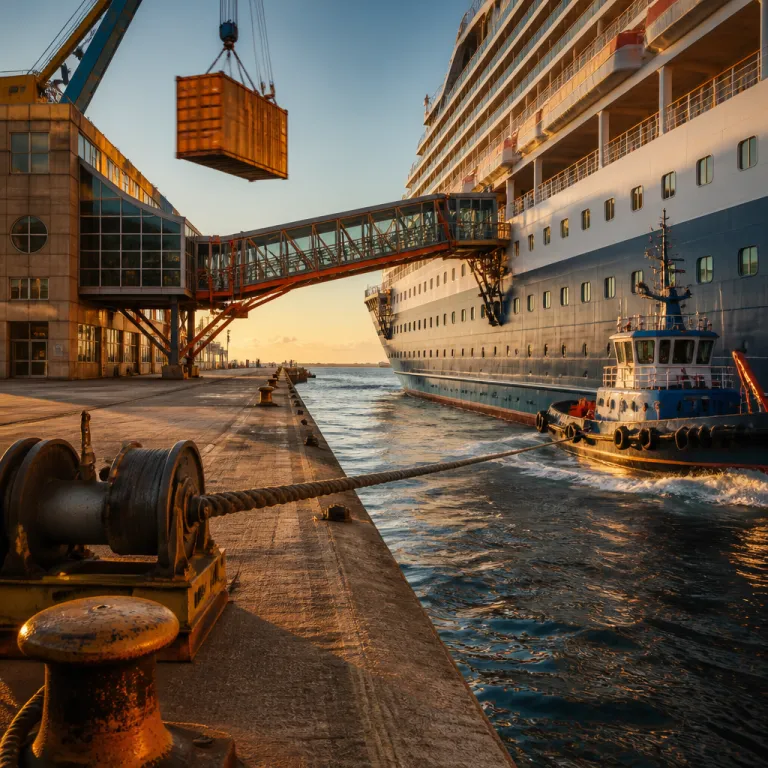
Valencia cruise port as a refined gateway to Spain’s Mediterranean charms
Valencia cruise port offers a polished entry to one of Spain’s most graceful coastal cities. This modern maritime hub welcomes cruise ships from across the western Mediterranean, yet it still feels manageable in size and time. For luxury travelers, the balance between efficient cruise terminal facilities and the relaxed rhythm of Valencia Spain is part of the appeal.
The main cruise terminal area sits at Moll de Ponent, around 4.5 km from the city center according to Valenciaport’s passenger information (2024), which keeps the ship berths pleasantly separate from the historic core. Valencia Port Authority oversees operations at the harbor, ensuring that each cruise ship arrival is handled with calm precision. As vessels such as Costa Pacifica and MSC Orchestra glide into this Mediterranean gateway, passengers step into a port city that blends working docks, sea air, and a quietly cultured elegance.
The harbor serves Mediterranean cruise itineraries that link Spain with France, Italy, and other western Mediterranean destinations. Many premium cruises treat a Valencia call as a full day in port, giving guests ample time to visit both the City of Arts and Sciences and the old town. For travelers booking high end stays before or after their voyages, the proximity between the cruise terminal and refined hotels along the beach and in the city center is a strategic advantage.
From cruise terminal to city center: seamless transfers for luxury stays
Moving from the docks to the city center is straightforward, even for guests with luggage and tight schedules. Shuttle buses organized in partnership with EMT Valencia and local transport companies run frequently between the cruise terminal and central drop off points, complementing taxis and private transfers. Public bus services also connect the port area with key stops near the historic center and the City of Arts and Sciences.
Official guidance for passengers is clear and practical: “Use shuttle buses for quick city access.” This advice matters when you want to maximize time between disembarkation from a cruise ship and check in at a luxury hotel in Valencia Spain. With the distance from the port to the city center at about 4.5 km, a bus or taxi ride usually takes only a short time, leaving more hours for a relaxed walk through the old town or a leisurely lunch.
Travelers comparing iconic ports often weigh this Spanish hub against other Mediterranean gateways such as the elegant Cannes cruise port on the French Riviera. Cannes offers a glamorous tender port experience, while Valencia provides a deep water cruise terminal where large cruise ships can dock directly. For guests who value both efficient access and a rich urban fabric, this port city often becomes a preferred embarkation or mid cruise stop.
Experiencing Valencia Spain between ship and hotel: arts, sciences, and historic streets
Once you leave the cruise terminal, Valencia Spain reveals itself as a city of contrasts between cutting edge architecture and medieval streets. Many Mediterranean cruise guests start with the City of Arts and Sciences, a futuristic complex that has become a symbol of the port city. This arts and sciences district lies between the harbor and the historic center, making it an ideal first stop on a curated port guide.
The ensemble includes striking white structures, shallow reflecting pools, and cultural venues that feel worlds away from the bustle of the ship. Luxury travelers often arrange private guided tours that link the arts, sciences, and gastronomy in a single tailored itinerary. From there, a short bus or taxi ride brings you to the historic center, where the cathedral, Plaza Reina, and Mercado Central anchor the old town experience with bell chimes, market chatter, and café terraces spilling onto the pavements.
For guests planning extended premium journeys, Valencia cruise calls can be combined with long haul sailings from Asia or Northern Europe. Travelers who enjoy elevated itineraries from Asia often look at premium cruise deals from Singapore to connect with western Mediterranean voyages. By pairing a Valencia cruise stay with such long range cruises, you can enjoy both the futuristic skyline of the City of Arts and Sciences and the intimate charm of Valencia’s town squares in one seamless program.
Gastronomy between sea and town: paella, Mercado Central, and beachside elegance
Gastronomy is central to any stay around Valencia cruise port, especially for guests who appreciate refined yet authentic cuisine. The city is widely regarded as the home of paella, and tasting a traditional paella in Valencia town is almost a ritual for cruise passengers. Many luxury travelers schedule their time in port around a long lunch, balancing a morning cultural visit with an afternoon at the beach or in the city center.
Mercado Central, located in the historic center near Plaza Reina, is a highlight for food focused visitors arriving from a cruise ship. This grand market showcases produce, seafood, and delicacies from across Valencia Spain, and it offers a vivid contrast to the polished interiors of cruise ships such as Costa Pacifica or MSC Orchestra. A curated port guide might suggest a morning walk through Mercado Central, pausing to sample slices of jamón or fresh orange juice, followed by a paella lunch and a gentle walk back through the old town streets.
Closer to the harbor, the city’s beach areas provide another layer of the experience, with elegant restaurants overlooking the Mediterranean. Here, guests can enjoy seafood, fine wines, and modern interpretations of paella while watching cruise ships at anchor or alongside the cruise terminal. For travelers who enjoy pairing coastal stays with more remote maritime experiences, it is easy to imagine Valencia as the urban counterpoint to a more secluded itinerary such as a midnight sun cruise in the Lofoten Islands, where large ships cannot follow certain routes.
Choosing where to stay: city center, beach, or near the port
When planning a stay around a Valencia cruise, the first decision is whether to sleep in the city center, by the beach, or closer to the port district. The city center offers immediate access to the historic center, Plaza Reina, Mercado Central, and many cultural venues, which suits travelers who value walkable streets. Beachside districts, by contrast, appeal to guests who want sea views, easy access to the Mediterranean, and a short bus or taxi ride to the cruise terminal.
Staying near the port city area can be practical for early embarkations or late disembarkations, especially when time is tight. However, most luxury travelers prefer the atmosphere of the city center or the beach, using taxis or shuttle buses to reach the cruise terminal on embarkation day. Because the distance between the harbor and the main districts is modest, you can prioritize ambiance and service levels when choosing your hotel.
For guests on western Mediterranean cruises, Valencia often appears alongside ports such as Barcelona, Marseille, and Cannes, each with its own accommodation profile. This Spanish cruise port stands out because it combines a modern cruise terminal, a compact historic center, and a relaxed beach scene within a short radius. This makes it easy to design pre and post cruise stays that include a walk through the City of Arts and Sciences, a paella lunch in town, and a final evening drink overlooking the port.
Planning your time in port: practical tips for premium cruise guests
Efficient planning is essential when you want to enjoy both the ship and the city during a Valencia cruise call. Start by checking the exact berth and cruise terminal assigned to your cruise ship, as this can influence transfer times to the city center. Many cruise lines provide detailed port guide documents for Valencia, outlining shuttle bus schedules, taxi ranks, and recommended walking routes.
Because Valencia Port Authority and local partners are investing in a new cruise terminal and ongoing transport improvements, access between the harbor and the city is expected to become even smoother. The stated goals are to enhance passenger experience, boost local tourism, and improve transport connectivity, which directly benefits premium cruise guests. Purchasing a Valencia Tourist Card can also be worthwhile, as it combines public bus access with discounts at museums and attractions in the city center and the historic center.
When time in port is limited, focus on a clear route that links the City of Arts and Sciences, the old town around Plaza Reina, and a brief stop at Mercado Central. This triangle offers a representative view of Valencia Spain, from avant garde arts and sciences architecture to traditional town markets. If your western Mediterranean itinerary includes multiple calls in Spain, you may find that this port delivers one of the best balances between cultural depth, ease of movement, and proximity between ship and shore.
Valencia cruise port in the wider Mediterranean cruise network
Valencia cruise port plays a strategic role in the wider Mediterranean cruise ecosystem, especially for western Mediterranean itineraries. Its location on Spain’s eastern coast allows cruise ships to link Barcelona, the Balearic Islands, and Italian ports in efficient loops. For cruise lines operating large vessels such as Costa Pacifica and MSC Orchestra, the deep water facilities at Valencia port and the modern cruise terminal infrastructure are significant operational advantages.
From a traveler’s perspective, Valencia functions as both a destination and a gateway, connecting urban culture with broader sea journeys. Some guests embark here for a full Mediterranean cruise, while others experience Valencia cruise calls as part of longer repositioning voyages that bridge regions. In both cases, the port city offers enough attractions that many passengers choose to return for a dedicated land stay in Valencia Spain.
For those who enjoy contrasting experiences, pairing a Valencia cruise stay with more niche sailings can be especially rewarding. A refined urban pause in Valencia can precede or follow an itinerary focused on remote landscapes, such as a voyage under the midnight sun in the Lofoten Islands that large ships cannot follow, described in detail in a dedicated itinerary guide. By viewing Valencia cruise port as one node in a network of carefully chosen ports, luxury travelers can craft journeys that feel both coherent and richly varied.
Key figures and statistics about Valencia cruise port
- Valencia cruise port lies approximately 4.5 km from the city center, a distance that typically translates into a short transfer by bus, shuttle, or taxi according to Valenciaport’s official passenger guidance (2024).
- Port authority projections for recent seasons indicate that around 500,000 cruise passengers pass through Valencia port in a typical year, underlining its importance as a growing Mediterranean cruise hub (Valenciaport annual traffic reports, 2023–2024).
- The port has been handling regular cruise traffic since the early 2000s, and a new cruise terminal is under development to accommodate increasing numbers of cruise ships and larger vessels, as outlined in Valencia Port Authority planning documents (updated 2024).
- Ongoing city transport improvements, coordinated with EMT Valencia and local partners, aim to shorten transfer times between the cruise terminal and the historic center, enhancing the overall passenger experience (EMT Valencia service updates, 2024).
FAQ about Valencia cruise port and luxury stays
How far is Valencia cruise port from the city center ?
Valencia cruise port is approximately 4.5 km from the city center, which usually means a short ride by shuttle bus, public bus, or taxi. This compact distance allows cruise passengers to reach the historic center and Plaza Reina quickly, even during relatively brief port calls. For guests staying in city center hotels, the transfer back to the cruise terminal on embarkation day is similarly straightforward.
Are there shuttle services from the port to the city ?
Yes, shuttle buses operate regularly between Valencia cruise port and key drop off points near the city center. These services are often coordinated by the port authority and cruise lines, providing a convenient option for passengers who prefer not to navigate public bus routes. Taxis and private transfers are also readily available outside the cruise terminal for more personalized transport.
What attractions are near Valencia cruise port ?
The most notable attractions within easy reach of Valencia cruise port include the City of Arts and Sciences, the historic center, Mercado Central, and Plaza Reina. Many visitors combine a visit to the arts and sciences complex with a walk through the old town and a paella lunch. The city’s beach areas are also accessible from port Valencia, offering a relaxed coastal atmosphere close to the ship.
Is Valencia cruise port suitable for large cruise ships ?
Valencia port is well equipped to handle large cruise ships, including vessels such as Costa Pacifica and MSC Orchestra. The deep water berths and modern cruise terminal facilities allow these ships to dock directly, avoiding the need for tender operations. This makes embarkation, disembarkation, and day visits more comfortable for passengers on premium and luxury cruises.
Why choose to stay in Valencia before or after a cruise ?
Staying in Valencia before or after a cruise allows travelers to enjoy the city’s arts, sciences, gastronomy, and beach culture at a more relaxed pace. The short distance between the cruise port, the city center, and the beach districts makes it easy to explore multiple neighborhoods in a single stay. For luxury guests, the combination of refined hotels, excellent dining, and efficient access to the cruise terminal creates a compelling pre and post cruise experience.
Sources: Valenciaport (annual traffic reports 2023–2024; passenger information 2024), EMT Valencia (service updates 2024), Valencia City Council (tourism and mobility data 2024)