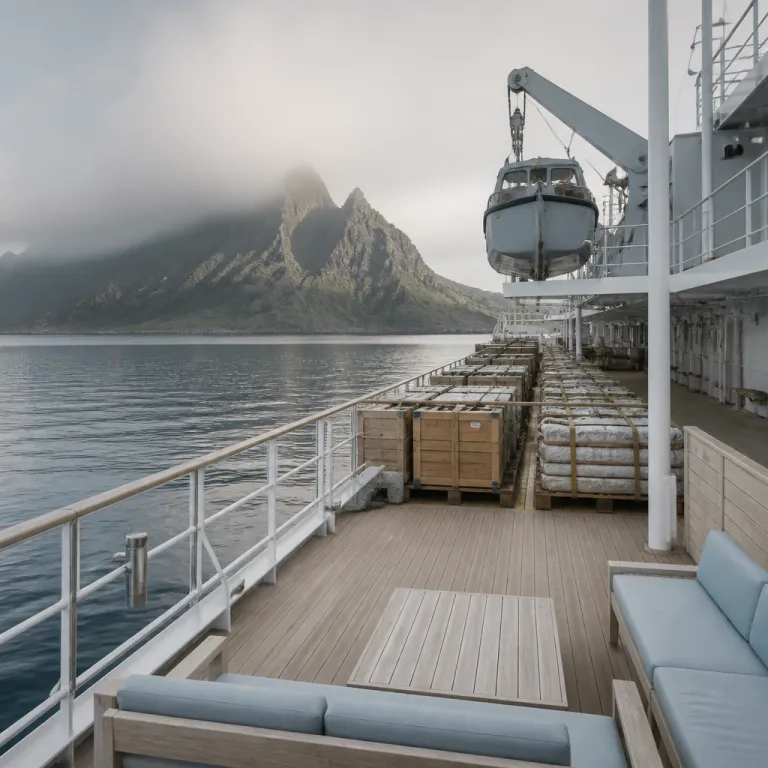
Why a refined Aranui 3 cruise still matters for luxury travellers
The Aranui 3 cruise created a rare bridge between working cargo ship and intimate passenger ship, and that duality still shapes how discerning travellers view French Polynesia. This vessel sailed regular 14 day round trips between Tahiti and the remote Marquesas Islands, blending freight deliveries with curated shore excursions for guests seeking depth rather than dazzle. For anyone browsing a luxury and premium booking website for cruises, understanding this specific experience helps you judge whether a modern islands cruise in the South Pacific can offer similar authenticity.
Operated by Aranui Cruises and owned by Compagnie Polynésienne de Transport Maritime, the Aranui cargo passenger concept answered a very practical need in French Polynesia while quietly redefining what a cruise ship could be. The context was simple yet powerful: transport options to the Marquesas Islands were limited, and the goal was to enhance connectivity while boosting tourism in a sustainable way. That is why the Aranui 3 ship combined a full scale cargo ship hold with comfortable passenger cabins, allowing freight, local residents, and international guests to share the same South Pacific route.
From a hospitality perspective, the Aranui 3 passenger ship carried in the region of 200 guests, which is a fraction of mainstream cruise capacities and a key reason it appealed to luxury travellers. Fewer passengers meant more personal contact with the French Polynesian crew, more flexible port call logistics, and a quieter on board atmosphere even when the cargo cranes were working. When you now compare cabin categories or hotel suites on a booking platform, remembering this balance between intimacy and function can guide you toward smaller islands Aranui style itineraries rather than anonymous mega ships, where the sense of connection can be harder to find.
Hidden gems by sea: how the Aranui 3 reached the Marquesas Islands
Luxury travellers often ask where a South Pacific islands cruise can still feel genuinely remote, and the Aranui 3 itinerary offers a clear answer. Sailing north from Tahiti into the open Pacific, this passenger cargo vessel threaded its way to the Marquesas Islands, including emblematic names such as Nuku Hiva and Hiva Oa, where air links remain sparse and port infrastructure modest. Because the ship functioned as both cargo passenger lifeline and cruise ship, every port call felt purposeful rather than purely touristic.
On a typical Aranui 3 cruise in the late 2000s, guests would board Aranui in Papeete and watch as containers, fuel, and household goods were loaded for the long South Pacific crossing. The day the ship reached a small bay in the Marquesas, you could see villagers waiting on the quay for the cargo ship, while passengers prepared for guided hikes, archaeological visits, or a relaxed swim. One former guest quoted in a French Polynesia travel magazine recalled standing on deck at sunrise off Nuku Hiva, watching crates of fruit swing ashore while a local band played on the pier, a scene that captured the ship’s blend of work and welcome.
Because the Aranui 3 operated as a true passenger cargo service, it could access smaller harbours than many conventional cruise ships, which is crucial if you value hidden gems by sea. The Marquesas Islands are rugged, with steep volcanic cliffs and limited flat land, so a versatile cargo cruise design allowed flexible loading and unloading while guests explored ashore. When you evaluate modern islands cruise options in French Polynesia, look for itineraries that still include multiple Marquesas Islands port calls, since this pattern echoes the original Aranui philosophy of meaningful connectivity and helps sustain isolated communities.
Life on board Aranui 3: cabins, dining, and relaxed South Pacific comfort
For travellers used to five star hotels, the Aranui 3 cabins offered comfort rather than opulence, yet the overall experience felt quietly luxurious. Cabin categories ranged from lower berths in shared rooms to more spacious suites, giving guests a choice between practicality and privacy while still enjoying the same French Polynesian scenery. When you compare accommodation on a cruise booking website, this spectrum resembles the difference between well appointed standard rooms and premium sea view suites in an island resort.
Public spaces on board Aranui were designed to frame the South Pacific rather than distract from it, with a swimming pool on deck, a convivial dining room, and open air areas where passengers could watch cargo operations. Meals typically followed a structured rhythm of breakfast, then lunch and dinner, often featuring Polynesian flavours and French influences that reflected the dual heritage of French Polynesia. Because the passenger capacity remained around a couple of hundred guests, the dining room never felt crowded, and staff could maintain attentive service standards that many guests would associate with smaller luxury properties on land.
Entertainment on this cruise ship leaned toward cultural immersion rather than large scale shows, which suits travellers who prefer meaningful experiences over spectacle. Shore briefings, lectures about the Marquesas Islands, and informal conversations with crew members from Tahiti or the wider Polynesia region helped contextualise each day’s port call. As one long serving crew member explained in a company brochure, the aim was to “tell the story of each island, not just show the scenery,” a philosophy that many travellers now seek again when they choose other expedition style voyages and boutique small ship cruises.
From Tahiti to Nuku Hiva: understanding the Aranui route for trip planning
Planning a high end trip that combines a hotel stay with an Aranui style voyage starts with geography, because French Polynesia covers a vast area of the Pacific. The Aranui 3 route linked Papeete in Tahiti with the Marquesas Islands, including Nuku Hiva and Hiva Oa, over a 14 day round trip that balanced sea days and port calls. This schedule allowed enough time for cargo operations at each island while still giving passengers meaningful shore time to explore villages, valleys, and archaeological sites.
When you design your own itinerary, you might book a premium hotel in Tahiti for several nights before and after an islands cruise that follows the Aranui model. Pre cruise nights let you adjust to the South Pacific time zone, while post cruise stays give you space to reflect on the experience and enjoy more conventional resort amenities such as spas and extensive swimming pools. Because the Aranui 3 functioned as a working cargo passenger link, embarkation and disembarkation days were tightly scheduled, so building in hotel buffers remains wise even when sailing on newer ships that follow a similar timetable.
The route also underlines why a cargo cruise can feel different from a standard holiday sailing, since every port call serves both logistical and touristic purposes. Guests watched as the crew unloaded building materials, food, and fuel, then stepped ashore for guided excursions that revealed how isolated communities in the Marquesas Islands rely on this lifeline. If you appreciate this blend of purpose and pleasure, you may also enjoy other niche voyages that prioritise depth over glamour, such as a week aboard a French luxury barge on the Canal de Bourgogne described in this slow travel itinerary.
What made the Aranui 3 unique among cargo passenger ships
Several concrete factors distinguished the Aranui 3 from other passenger cargo vessels, and understanding them helps luxury travellers evaluate similar offers today. Publicly available ship data indicate that the vessel was purpose built to serve both freight and guests, with dedicated cargo handling equipment and a medium speed diesel engine supporting regular service between Tahiti and the Marquesas. This meant that while containers and supplies filled the forward holds like any cargo ship, the aft sections housed comfortable cabins, lounges, and a swimming pool reserved for passengers.
Second, the operation model of Aranui Cruises placed equal emphasis on logistics and hospitality, which is unusual in the wider cruise industry. The stated objectives were to transport cargo to the Marquesas Islands and provide passenger cruise services, and the expected impact included improved logistics and increased visitor numbers in remote communities. In response to a common question, the company clearly stated: “What was Aranui 3's primary function? It served as both a cargo and passenger ship,” a concise summary that still guides how the brand presents its voyages and how travellers interpret the experience.
Third, the limited passenger capacity of roughly a few hundred people over a mid sized hull created a human scale environment that many high end travellers now actively seek. You could walk from the dining room to the outer decks in minutes, greet crew members by name, and watch as the islands Aranui served came into view without feeling lost in a crowd. When browsing a luxury and premium booking website for cruises, look for similar ratios of guests to ship size, because they often signal a more personalised experience even when the marketing language focuses on hardware and headline amenities.
How to use Aranui 3 insights when booking modern South Pacific cruises
Although the Aranui 3 has been replaced by a newer vessel, the lessons from its operation remain highly relevant for travellers choosing a South Pacific cruise today. When you compare offers online, pay attention to whether a ship still serves a practical role for local communities or functions purely as a floating resort, because that distinction shapes the authenticity of each day ashore. A modern Aranui style islands cruise in French Polynesia will usually feature multiple Marquesas Islands port calls, a mix of cargo and passenger services, and a clear commitment to regional connectivity.
Cabin selection is another area where Aranui experience can guide you, especially if you are used to choosing hotel room categories. On a cargo passenger vessel, lower berths in shared cabins may appeal to adventurous travellers, while higher cabin categories with private balconies suit guests who want more privacy without losing the sense of being close to the working ship. When you read detailed descriptions on a booking platform, look for transparent explanations of cabin layouts, noise levels near cargo areas, and proximity to public spaces such as the dining room or swimming pool.
Finally, consider how you personally value the balance between comfort and immersion, because the Aranui 3 model leaned firmly toward meaningful engagement with French Polynesia. Days at sea were not only about leisure but also about watching the crew prepare for the next port call, learning about Marquesas culture, and understanding why a passenger ship that also carries freight can be vital for isolated islands. If that blend resonates with you, prioritise itineraries and ships that echo the Aranui philosophy rather than those that treat the South Pacific merely as a scenic backdrop, and use booking filters to highlight small ship expedition style cruises.
Key figures from the Aranui 3 cargo cruise legacy
- The Aranui 3 operated for roughly a dozen years in French Polynesia, a sustained period that allowed it to establish reliable links between Tahiti and the Marquesas Islands according to public ship registries and company timelines.
- Passenger capacity was in the low hundreds, significantly lower than mainstream cruise ships carrying several thousand guests, and this small scale contributed to a more intimate on board atmosphere.
- The ship measured a little over one hundred metres in length, placing it in a mid size category that balanced ocean going stability with the ability to access smaller ports in the Marquesas archipelago.
- Typical itineraries followed a 14 day round trip pattern between Papeete and the Marquesas, giving enough time for both cargo operations and passenger excursions at multiple islands.
- The dual role as cargo ship and passenger vessel responded directly to limited transport options in the Marquesas, helping to enhance connectivity and support growing tourism in these remote islands.
FAQ about the Aranui 3 cruise and its South Pacific context
Where did the Aranui 3 operate in French Polynesia?
The Aranui 3 sailed regular round trips between Papeete in Tahiti and the Marquesas Islands, including major ports such as Nuku Hiva and Hiva Oa. This route crossed a large stretch of the South Pacific while serving several smaller communities along the way. The combination of cargo deliveries and passenger excursions made each port call both practical and experiential.
What was the main purpose of the Aranui 3 ship?
The vessel was designed as a dual purpose cargo passenger ship, carrying freight, local residents, and international guests on the same voyages. Its primary function was to supply the Marquesas Islands with essential goods while offering a structured cruise experience for travellers. This model helped support local economies while giving visitors rare access to remote islands.
How comfortable were the cabins on board Aranui 3?
Cabins on the Aranui 3 ranged from practical shared spaces with lower berths to more spacious private categories, all offering adequate comfort for a two week voyage. While not as lavish as suites on some large luxury cruise ships, they provided air conditioning, private or semi private facilities, and easy access to public areas. Many guests valued the balance between simplicity and the rich cultural experience outside their doors.
Why do travellers still talk about the Aranui 3 experience?
Travellers continue to reference the Aranui 3 because it offered an unusual blend of working ship authenticity and curated hospitality in French Polynesia. Guests could watch real cargo operations, interact with local communities, and enjoy guided excursions, all within a relatively small passenger group. This combination created a sense of connection that many find harder to achieve on larger, purely leisure focused vessels.
How should I plan hotels around an Aranui style cruise today?
When booking a modern voyage inspired by the Aranui model, it is wise to reserve at least one or two hotel nights in Tahiti before and after the cruise. Pre cruise stays help you adjust to time differences and reduce stress if flights are delayed, while post cruise nights allow a gentle transition back to land based comfort. Choosing premium hotels with reliable transfer services near the port of Papeete can make the overall journey smoother and more enjoyable.