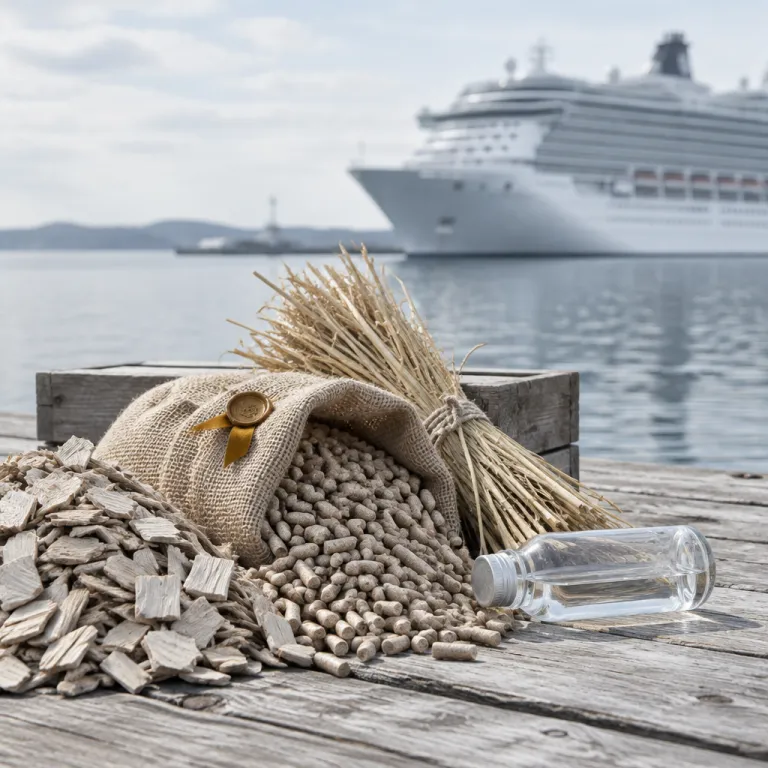
The quiet fuel fork facing luxury cruise travelers
When you book a luxury cruise ship today, you are also choosing a fuel pathway. Behind the champagne flutes and suite upgrades, the cruise industry is standing at a fork between liquefied natural gas, green methanol, hydrogen and other alternative fuels that will define maritime emissions for the long term. For a solo explorer who cares about a genuinely sustainable cruise, understanding this energy shift matters as much as the cabin category.
LNG arrived as the supposed clean bridge fuel, yet methane slip from engines and fuel systems means unburned methane escapes into the atmosphere. That methane is a far more potent greenhouse gas than carbon dioxide: over 20 years it warms the planet around 80 times more than CO₂, and roughly 27–30 times more over 100 years, according to assessments by the IPCC. That means LNG powered vessels can still lock in high climate impact over long distances despite lower local air pollution. Luxury operators now face a strategic choice: double down on LNG infrastructure or pivot early toward a green methanol cruise ship or hydrogen capable design that can evolve with tightening regulation.
For travelers browsing premium cruises, the marketing language often lags behind the technical reality of marine fuels. You may see phrases like cruise green or sustainable cruise without any clear explanation of which fuels, which propulsion system or which port infrastructure actually supports lower carbon shipping. This article unpacks why some high end cruise ships are going methanol ready or dual fuel with hydrogen rather than following the LNG crowd, and how you can read between the lines when choosing your next voyage.
Why LNG is a bridge, not the destination
LNG does cut sulphur oxides and particulates compared with heavy fuel oil, which improves air quality around ports and coastal communities. Yet the methane slip problem means that LNG powered cruise ships can still generate significant greenhouse gas impact, because methane that leaks from fuel storage, bunkering infrastructure and engines has a much higher warming potential than carbon dioxide. For luxury cruise operators positioning themselves as global green leaders, that is a reputational risk as well as a regulatory one.
FuelEU Maritime, adopted by the European Union in 2023, penalises greenhouse gas intensity deficits at up to EUR 2,400 per tonne of VLSFO equivalent for non compliance, with required reductions tightening from 2% below the 2020 baseline in 2025 toward 80% by 2050. That single regulation is already reshaping fuel systems on new vessels, because a ship designed only for LNG may struggle to meet future carbon thresholds without expensive retrofits. Shore power mandates in major north America and European ports add another layer, pushing cruise lines to invest in electrical systems that can plug into low carbon energy when alongside.
For a traveler, the practical question is simple: do you want to book into a fuel dead end or a flexible platform? A green methanol cruise ship with dual fuel engines, or a hydrogen capable vessel like the upcoming Viking Libra, announced with liquefied hydrogen tanks and fuel cells for partial zero emission operation, can switch between different marine fuels as supply chains mature and as port infrastructure for bunkering improves. LNG only ships may still offer quieter engines and cleaner exhaust locally, but they risk locking the cruise industry into a fuel that regulators are already pricing toward obsolescence.
Green methanol and hydrogen: promise, price and port reality
Green methanol is essentially methanol produced from renewable energy and captured carbon, rather than from fossil gas. On a green methanol cruise ship, dual fuel engines can burn either conventional fuel methanol or its green variant, allowing operators to start with limited green supply and scale up as global green production grows. Hydrogen, whether liquefied or used in fuel cells, offers zero carbon emissions at the point of use, but it demands even more specialised fuel storage and safety systems on board.
The obstacles are not theoretical; they are about supply, cost and infrastructure in real ports. Only a handful of maritime hubs currently offer reliable green methanol bunkering infrastructure, and even fewer can handle hydrogen at cruise scale, especially for large vessels sailing from north America. As of 2024, ports such as Rotterdam, Singapore, Gothenburg and select terminals in Shanghai and Houston are piloting or planning green methanol bunkering, while hydrogen handling at scale is largely limited to demonstration projects in northern Europe and Japan. That means cruise operators experimenting with these fuels often start on defined routes, sometimes with smaller cruise ships or yacht style vessels, as seen in the new generation of premium ships highlighted in analyses of sustainable yacht cruises.
Hydrogen capable designs like Viking Libra, which will run partly on liquefied hydrogen and fuel cells for zero emission operation in sensitive areas, show how the propulsion system is evolving beyond classic engines. Yet every alternative fuel pathway still faces long term questions about global supply, marine fuels pricing and compatible port infrastructure across diverse cruise itineraries. Industry forecasts from classification societies suggest green methanol production could reach tens of millions of tonnes per year by the 2030s, but costs per unit of energy are still several times higher than conventional marine fuels. When you read a press release about a line going cruise green, look for concrete details on bunkering, dual fuel capability and which ports already support the chosen energy systems.
How luxury lines are positioning: from mein schiff to transatlantic icons
Different luxury operators are taking sharply different routes through this fuel maze. Some European brands, including the mein schiff fleet, have invested in LNG as a near term step while keeping options open for future alternative fuels and methanol ready designs, as outlined in their published environmental roadmaps. Others are moving directly toward green methanol cruise ship concepts or hydrogen capable vessels, betting that regulatory pressure and guest expectations will reward early movers.
On certain north America and transatlantic routes, the choice of fuel now shapes the entire itinerary, because only specific ports can provide the right marine fuels and shore power connections. Lines planning elegant ocean crossings, like those profiled in analyses of the grand transatlantic revival, must balance romance at sea with the hard reality of fuel storage volume, bunkering windows and port infrastructure constraints. A ship designed with flexible fuel systems can adapt as more ports add green methanol or hydrogen bunkering, while a single fuel design may be locked into a narrow set of shipping corridors.
For the solo explorer comparing cruises, this is where transparency matters more than glossy sustainability language. Look for technical notes on dual fuel engines, methanol ready hulls, or explicit commitments to green methanol supply contracts rather than vague references to alternative fuels. When a cruise ship is marketed as a sustainable cruise flagship, ask whether its systems can genuinely evolve with tightening carbon rules or whether it is simply optimised for today’s cheaper fuels.
Reading between the lines when you book
When you scroll through a luxury booking website, the fuel story rarely sits on the first page. Yet for a traveler who cares about climate impact, the difference between an LNG only ship and a green methanol cruise ship with dual fuel capability is as significant as the difference between an inside cabin and a suite. The most sustainable cruise choice is not always the newest vessel, but the one whose energy systems can adapt over the long term regulatory horizon.
Start by checking whether the line publishes clear data on carbon intensity, marine fuels used and shore power connections across its fleet. A serious operator will explain how its vessels use alternative fuels, how often they plug into port electricity, and how their propulsion system is designed to handle future fuels such as green methanol or hydrogen. If the only sustainability detail is a short press release about offsetting or a generic cruise green slogan, you are likely looking at marketing rather than structural change.
None of the current fuels is a perfect answer, and honest cruise industry leaders now admit that decarbonisation will be a long term transition rather than a single leap. For you as a guest, the most credible choice is often a ship with flexible fuel systems, clear commitments to green methanol or other low carbon fuels, and itineraries that use ports with growing bunkering infrastructure and shore power. That way, your ticket quietly supports the growth of cleaner shipping without pretending that the problem has already been solved.
FAQ
Is a green methanol cruise ship always better than LNG for the climate ?
A green methanol cruise ship can significantly reduce lifecycle greenhouse gas emissions when the methanol is produced from renewable energy and captured carbon. Compared with LNG, it avoids methane slip, which is a major climate issue for gas based fuels. The overall benefit still depends on how green the methanol supply chain really is and whether ports on your itinerary can provide that fuel consistently.
How can I tell which fuel my cruise ship actually uses ?
Most lines now publish technical details for new vessels, including whether they are LNG powered, methanol ready or dual fuel capable. Look for fleet fact sheets, sustainability reports or ship specific pages that mention fuel systems, propulsion technology and shore power connections. If the information is missing, you can ask the line directly which marine fuels are used on your specific cruise.
Do alternative fuels change the onboard experience for guests ?
For most travelers, the main difference is quieter engines and less exhaust smell when cleaner fuels and advanced systems are used. A green methanol cruise ship or hydrogen capable vessel may also spend more time in ports with strong environmental regulations and shore power, which can mean cleaner air on deck. Cabin comfort, service and amenities are shaped more by the line’s hospitality standards than by the specific fuel.
Are there truly zero emission luxury cruises yet ?
Some new vessels, such as hydrogen capable ships with fuel cells, can operate with zero emissions in specific sensitive areas for limited periods. However, there are no large scale luxury cruises that run entirely on zero emission fuels across whole itineraries. The industry is in a transition phase where dual fuel designs and flexible systems are preparing for deeper decarbonisation as supply and infrastructure improve.
What should I prioritise if I want the lowest impact itinerary ?
Choose a line that publishes clear carbon data, uses alternative fuels such as green methanol where possible and connects to shore power in major ports. Shorter itineraries, efficient modern ships and routes that minimise long repositioning voyages generally reduce emissions. When in doubt, ask the operator specific questions about fuels, port infrastructure and long term decarbonisation plans before you book.
References : European Commission FuelEU Maritime documentation ; QAShip FuelEU Maritime compliance analysis ; Viking official communications on hydrogen capable cruise vessels ; IPCC assessments on methane global warming potential ; public statements from major ports on green methanol and hydrogen bunkering pilots.