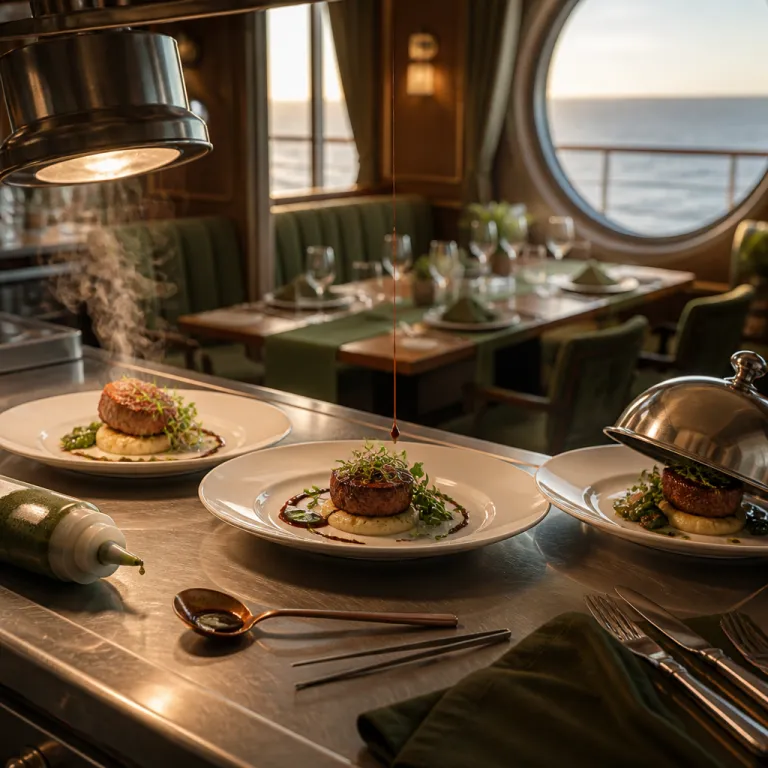
From logo to ladle: when a Michelin chef defines the cruise
On the most ambitious cruises, the chef is no longer a footnote. Michelin-level cuisine at sea has become a brand signature, where the gastronomic programme shapes the itinerary as much as the ports of call. For business leisure travelers extending a work trip, this shift turns a simple sailing into a curated culinary journey at sea.
Lines now court Michelin-starred talent the way hotels once chased architects, and the dining room becomes the stage where that strategy plays out night after night. Cunard works with Michel Roux on refined menus for its Queens Grill and Britannia restaurants, MSC Cruises collaborates with Ramón Freixa on Mediterranean-inspired dishes, and Crystal Cruises partners with Massimiliano Alajmo on select sailings to anchor their luxury positioning in serious culinary arts rather than theatrical buffets. According to line announcements and chef biographies, each of these chefs has earned three Michelin stars at various points in their land-based careers, and they lend not only their names but also their cooking philosophy, menu structure, and training standards to elevate every dining experience on board.
For guests used to starred restaurants on land, the question is simple yet demanding. Does the cruise deliver a genuine Michelin star level culinary experience, or just a branded photo opportunity with a famous chef on the brochure? The answer depends on how deeply the line integrates the chef’s cuisine into daily dining experiences, from the main dining room to more intimate venues, rather than limiting the collaboration to a single gala night or occasional showcase menu. When you compare brochures, look for concrete details such as how many venues feature the chef’s dishes, whether menus rotate weekly, and if the chef’s team is involved in ongoing training rather than a one-off launch event.
Orient Express Corinthian and Windstar: when partnerships feel like a restaurant group at sea
Orient Express Corinthian approaches Michelin-inspired cruise dining with the precision of a small, focused restaurant group. La Table de l’Orient Express by Yannick Alléno, who holds three Michelin stars at Le Pavillon in New York as of the 2024 guide according to the Michelin Guide’s official listings, anchors a ship that is planned to carry only around 108 passengers yet offer ten distinct restaurants and bars. That ratio changes the entire dining experience, because the chefs can treat each service almost like a land-based starred restaurant rather than a mass catering operation.
On board, Alléno’s French-influenced cuisine is not a one-off gala menu but a framework that informs sauces, stocks, and the structure of each menu rotation. A typical tasting sequence might move from a slow-cooked langoustine with citrus beurre blanc to a dry-aged lamb saddle with jus corsé and seasonal vegetables, each course paced with the precision of a city fine-dining room. You feel the philosophy in the way the executive chef talks about reductions, in the training of the culinary brigade, and in the timing of each plate leaving the pass. As one cruise culinary director described a similar partnership in a press briefing, “Our goal is not to copy the chef’s restaurant, but to apply the same discipline to every plate.” The result is a luxury cruise where the culinary journey is as considered as the cabins, and where afternoon tea or a late-night snack still reflect the same inspired cuisine philosophy.
Windstar takes a different route, positioning itself as the official cruise line of the James Beard Foundation and weaving award-winning chefs into Amphora, Star Grill, and other venues without any surcharge on most sailings. Here, collaborations with Michelin-level and James Beard–recognized talent become more democratic, with signature dishes appearing on the main menu rather than hidden behind a premium cover charge. For planning purposes, expect some special tasting menus or chef-hosted dinners to carry a modest supplement, while core James Beard dishes remain included. For a deeper look at this style of immersive culinary journey at sea with MSC Cruises, the detailed guide on MasterChef themed voyages shows how structured collaborations can turn cooking classes and chef-hosted events into a coherent onboard narrative.
Explora III, Oceania Cruises and the test kitchen era
Explora III represents the new generation of Michelin-influenced cruise gastronomy, where the ship feels closer to a culinary campus than a floating resort. Explora Journeys has indicated that seven restaurants will serve a maximum of about 922 guests, and venues like The Chef’s Table and The Cellar focus on collaborative dining experiences rather than static menus. The Cellar’s sommelier-curated wine programme acknowledges that wine at sea behaves differently than wine on land, and treats storage as seriously as any starred restaurant ashore.
On Explora III, the test kitchen concept underpins hands-on cooking classes that go beyond simple demonstrations, inviting guests into the logic of professional cooking. A typical module might cover knife skills, mise en place, and a classic sauce such as hollandaise or veal jus, followed by a plated dish that uses the same technique at dinner. This is where the executive chef and their team translate Michelin-starred techniques into approachable culinary experiences while still respecting the constraints of a moving galley. For business travelers used to structured learning, these classes turn a leisure cruise into a purposeful culinary journey, with each night’s menu reflecting lessons learned earlier in the day and giving you a clear reason to book specific class dates in advance.
Oceania Cruises has long positioned itself as a leader in food-focused voyages, and its Arts Kitchen–style programmes show how a dedicated culinary arts space can anchor the entire shipboard culture. On certain ships, guests can move from a morning session in an arts kitchen style classroom to an evening in a French-inspired dining room, tasting how techniques translate from bench to plate. Typical classes are small-group, fee-based sessions that sell out quickly, so it is worth reserving them at the same time you choose your shore excursions. To understand how this philosophy extends into suite life, the in-depth review of refined culinary suite experiences reveals how room service, private dining, and chef-hosted in-suite events complete the luxury narrative.
Behind the pass: how a Michelin kitchen actually works at sea
From the guest’s perspective, Michelin-style dining on a cruise ship looks effortless, but the operational reality is anything but simple. Provisioning cycles must anticipate sea days, port delays, and weather that can close a harbour, all while protecting the integrity of delicate French sauces or inspired cuisine based on raw seafood. A starred chef can design a menu on paper, yet the executive chef on board must translate that vision into something that survives a rolling sea and a 600-cover service.
Galley design becomes a quiet hero in this story, because a true Michelin-starred style kitchen needs separate zones for pastry, garde manger, hot line, and plating. On a cruise, those spaces share corridors with crew cabins and storage rooms, and every extra metre counts against revenue-generating areas. The best cruises solve this by treating the galley as a flagship restaurant would, investing in equipment that supports precise cooking, from low-temperature ovens to blast chillers that protect food quality during long sea days. When you tour a ship, ask whether behind-the-scenes galley visits are offered; seeing the layout and equipment first-hand is often more revealing than any brochure description.
Crew training is the other non-negotiable element, since a starred chef may visit only a few sailings each year while the culinary experience must remain consistent every night. Lines like Cunard, MSC Cruises, and Crystal Cruises use chef-designed training modules, signature dishes, and regular audits to keep standards aligned with the original cuisine. A typical module might cover the exact seasoning curve of a signature fish dish or the plating diagram for a multi-component dessert. For guests, the most reliable sign is not a name on the brochure but the way every dining room service, from breakfast to afternoon tea, shows the same discipline in cooking, seasoning, and timing, with hot dishes served at the correct temperature and sauces tasting identical from one night to the next.
Wine, wellness and how to book for a serious culinary experience
Wine programmes can quietly make or break fine dining at sea, because even the best menu falters when the cellar is an afterthought. On a moving ship, temperature fluctuations, vibration, and limited storage space all challenge the sommelier’s work, especially for wines destined to pair with delicate French sauces or seafood-driven cuisine. Smart programmes use stabilised storage, careful rotation, and close collaboration between the executive chef and head sommelier to ensure each dining experience feels as polished as a land-based Michelin star service.
For travelers booking through a luxury cruise platform, the most effective strategy is to read beyond the headline chef name and study how deeply the collaboration runs. Look for details about dedicated culinary arts spaces, such as an arts kitchen or test kitchen, and check whether cooking classes are led by senior chefs rather than generic entertainment staff. The presence of structured wine tastings, serious afternoon tea service, and clearly described menu cycles usually signals that the cruise treats its culinary journey as a core part of the brand, not a marketing flourish. When comparing itineraries, ask your advisor how often chef-designed menus appear during a typical seven-night voyage and whether reservations for chef’s tables or wine-pairing dinners open before embarkation.
Balancing indulgence with wellness has also become part of the modern luxury experience, and many guests now pair Michelin-level dining with early morning spa rituals or hydrotherapy circuits. A detailed look at what a wellness cruise trend at sunrise really feels like shows how serious lines integrate food, movement, and rest into a coherent whole. When you plan your travel, aim for cruises where the chefs, sommeliers, and spa teams operate as one thoughtful équipe, so every night at sea feels like part of a considered, award-winning dining experience rather than an isolated gourmet event. As a practical rule of thumb, reserve key dining experiences, wine tastings, and spa slots as soon as your booking opens, since the most culinary-focused sailings often sell out their signature events weeks before departure.
FAQ
Which cruise lines currently work with Michelin starred chefs ?
Several major lines now integrate Michelin-level culinary partnerships into their core offering. Cunard partners with Michel Roux, MSC Cruises collaborates with Ramón Freixa, and Crystal Cruises features menus by Massimiliano Alajmo on selected voyages. These collaborations sit alongside other partnerships, such as Windstar’s work with the James Beard Foundation and Orient Express Corinthian’s La Table de l’Orient Express by Yannick Alléno. Always confirm the latest line-up on the cruise line’s official website or recent press releases, as chef rosters and restaurant concepts can evolve from season to season.
What benefits do Michelin starred partnerships offer passengers ?
These collaborations usually raise the standard of cuisine across the ship, not just in one restaurant. Passengers gain access to chef-designed menus, more refined cooking techniques, and a dining room culture that feels closer to starred restaurants on land. As one industry summary notes, “enhanced dining experiences and gourmet cuisine,” but the practical benefit is a consistently higher level of execution from breakfast through to the last dessert course at night, with better ingredient sourcing, more precise seasoning, and service teams trained to explain dishes and wine pairings in detail.
Do specialty restaurants with Michelin level menus always cost extra ?
Many specialty venues that showcase Michelin-inspired menus do carry a supplement, especially on larger ships. However, some lines choose a different model, such as Windstar, where Amphora and Star Grill offer James Beard level dishes without any surcharge. On other brands, expect cover charges for chef’s tables or tasting menus to range from a modest fee to a premium comparable to an upscale restaurant ashore. Always check whether the collaboration appears in the main dining room or only in a premium venue before you book, and factor those potential supplements into your overall cruise budget.
How can I make sure I actually experience the featured chef’s cuisine on my sailing ?
Before confirming your cruise, read the fine print about where the starred chef’s menus are served and how often they rotate. Once on board, reserve specialty dining early, especially for small venues like chef’s tables or test kitchen experiences. It is also wise to explore menu options in advance so you can plan which night to focus on the most ambitious dishes. If your sailing includes a chef-hosted event or cooking class, join the waitlist even if it is full, as last-minute cancellations are common on port-intensive itineraries.
Is Michelin level dining at sea comparable to starred restaurants on land ?
The best executions come close, but the context is different because a ship must serve far more guests and operate within strict provisioning cycles. You are unlikely to find a full Michelin star inspection at sea, yet the techniques, ingredients, and service choreography can mirror what you know from top restaurants ashore. For many travelers, the real luxury lies in enjoying that level of culinary experience while watching the sea from a quiet table, rather than chasing formal accolades, and in knowing that the same standards apply whether you are in the flagship restaurant or enjoying a simple lunch on deck.