How Balcony Language Shapes Your Luxury Cruise Suite Experience
Why balcony language matters when you book luxury cruise suites
On a premium cruise, the outdoor space attached to your suite quietly shapes every day. When you compare luxury cruise suite types, the difference between a balcony room and a recessed veranda can decide whether you actually sit outside or just admire the view through glass. For a business leisure traveller extending a work trip, that subtle shift in usable living space can turn the suite into a productive office with a horizon line.
Across the industry, marketing teams blur terms while the cruise ship architects are obsessively precise about each cabin cutout in the steel. Cruise lines talk about balcony rooms, veranda suites, terraces and private decks as if they were interchangeable, yet on the deck plan every category has a defined footprint, exposure to the sea and relationship to the sky. When you approach booking with the architect’s vocabulary rather than the brochure’s, you start to see which cruise suites genuinely offer extra space and which simply rebrand a standard cabin with a sliding door.
Think of your suite as three zones that must work together for a refined cruise experience. There is the interior room with its amenities room and bedroom, the threshold zone where balcony doors and curtains manage light, and the external platform that meets the sea. When you understand how different luxury cruise suite types allocate square metres between these zones, you can choose cabins and suites that match your habits, from early calls with clients to late night Caribbean stargazing.
Balcony, veranda, terrace, private deck and lanai explained
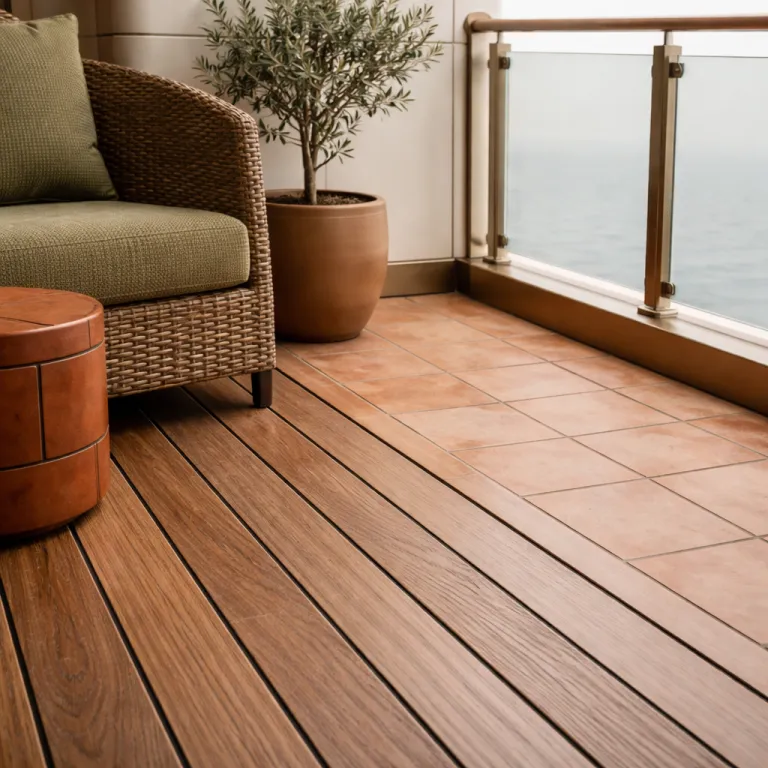
On most modern ships, a balcony is a cantilevered platform bolted outside the hull, typically around 4 to 6 square metres according to published deck plans for mainstream balcony cabins. These classic balcony rooms feel like a ledge over the sea, with railings open to the breeze and views that drop straight to the water. You gain an intimate connection to the ship’s wake, but the compact balcony room space can feel tight once you add two chairs, a table and perhaps room service breakfast.
A veranda is usually recessed into the hull, more sheltered and often slightly deeper, running closer to 7 to 11 square metres on many premium ships. Because the veranda is partially enclosed by steel, it buffers wind and sea spray on exposed routes, which matters on an Atlantic crossing more than on a gentle Caribbean cruise. For travellers who work from their suite, a veranda suite can be the sweet spot, with enough extra space to step outside between calls without battling the elements.
Terraces and private decks change the scale entirely, especially on higher luxury cruise suite types. A terrace, often forward or aft, usually starts around 14 square metres and can step down in levels, creating distinct zones for lounging, dining and simply watching the sky. A private deck on a corner grand suite or owner suite can exceed 18 square metres, wrapping around two sides of the cabin so you follow the sun and enjoy suite views both to the bow and the wake, a layout explored in depth in our guide to what a French balcony on a river cruise really offers discerning travellers.
Square metres, price jumps and where the value really flips
Numbers help cut through the marketing haze when you compare balcony and veranda luxury cruise suite types. A standard balcony on a contemporary cruise ship usually runs between 4.5 and 6.5 square metres, while a typical veranda ranges from about 7.5 to 11 square metres, and terraces start at roughly 14 square metres and climb from there. Private decks and lanai style outdoor rooms can stretch beyond 18 or even 28 square metres, turning the exterior into a genuine extension of your living space.
That growth in outdoor space tracks a steep price curve, with suites often priced around 150 percent above standard cabins according to comparative fare analyses from industry pricing reports and cruise line brochures. The first jump, from an ocean view cabin to a basic balcony room, usually delivers the most dramatic change in cruise experience, because you move from watching the sea through glass to stepping outside into the air. The second jump, from balcony rooms to mid tier veranda or vista suite categories, is where you must read deck plans carefully and weigh whether the extra space justifies the premium on your specific itinerary.
Beyond that, the move into grand suite, owner suite or signature suite territory becomes less about raw square metres and more about how you will use the outdoor area. If you plan to work from your suite on a St Lawrence Seaway itinerary, as we outline in our feature on experience elegance on a St Lawrence Seaway cruise, a large terrace with shade and power outlets can be worth more than a slightly bigger interior room. For travellers who spend most days on shore excursions or in meetings, a budget friendly strategy is to focus on well located veranda cabins and use ways to save such as early booking offers rather than chasing the largest possible terrace.
Real world examples: how top lines interpret outdoor suite design
Look at Silversea’s Silver Nova Premium Veranda Suite and you see how a line uses recessed outdoor space to frame the sea. The suite itself is generous, but the key is how the veranda runs almost the full width of the rooms, with glass that maximises views even when you are seated at the desk. For a business leisure guest, that layout turns the living space into a calm office where the horizon is always in peripheral vision.
Regent’s Splendor Veranda Suite takes a different approach, pairing a slightly more compact veranda with an especially polished amenities room and wardrobe area. Here the cruise experience leans into all inclusive ease, from room service breakfasts on the balcony to curated shore excursions that start just steps from the gangway. If you are flying in on Regent’s air programme, our analysis of their new air concierge service shows how the line is folding the airport into the cruise, which matters when you want every stage of the trip to match the standard of your suite.
Seabourn’s forward facing Owner’s Suite and some grand suite categories add terraces that feel almost like private decks, especially on smaller ships where the bow is close to the water. These terraces are not just larger; they open on two sides, so you can follow both sunrise and sunset without leaving your suite. On such ships, suites at sea become less about the star rating and more about how the architect has oriented each cabin to the sky, the wind and the rhythm of the voyage.
Wind, spray, sun and the balcony that you actually use
The balcony or terrace you use most is rarely the one with the largest headline number. Exposure to prevailing winds, the direction of travel and the height of your cabin above the sea all decide whether you can comfortably sit outside for more than ten minutes. On a Caribbean cruise, a star filled night on a sheltered veranda can feel more luxurious than a vast but windswept private deck high on the ship.
On westbound routes, port side cabins often receive more afternoon sun, while eastbound sailings can favour starboard balconies for morning light. Forward facing terraces on a cruise ship feel cinematic when the sea is calm, but they take the full force of wind and spray on rougher days, which can limit how often you enjoy suite breakfasts outdoors. Aft facing cruise suites, especially corner grand suite or owner suite layouts, usually offer the most protected views, with wake watching that feels almost hypnotic.
Lanai style spaces, where the outdoor area is partially enclosed as a covered open air room, can be ideal for business travellers who need a semi private zone for calls. These hybrid suites offer shade, reduced wind and enough extra space to pace while you talk, then sit down with a drink as the sky changes colour. When you weigh luxury cruise suite types, think less about abstract star ratings and more about how the balcony, veranda or lanai will work hour by hour on your specific cruise experience.
How to match suite types to your working and leisure style
Choosing between luxury cruise suite types starts with an honest look at how you live and work on board. If you expect to spend long stretches in your suite between meetings or shore excursions, prioritise layouts where the living space flows naturally onto a usable veranda or terrace. For travellers who mainly sleep in their cabins and treat the ship as a moving base, a well placed balcony room can be the most budget friendly choice.
Business leisure guests often benefit from mid to upper tier categories such as a vista suite, signature suite, royal suite or similar, where suites offer both extra space inside and a thoughtfully furnished outdoor area. These cruise suites usually include upgraded amenities, better sound insulation between rooms and more refined room service options, which matter when you are taking calls or hosting a colleague for a drink. On some lines, the owner suite or top royal suite tiers add concierge style support that quietly handles logistics while you focus on work and the sea.
Whatever your budget, there are always ways to save without compromising the essence of the experience. Book early to secure the most desirable cabins, study deck plans to avoid noisy zones and use virtual tours to understand how each suite uses its space. As one set of cruise line FAQs puts it succinctly, “What is the difference between a suite and a balcony cabin? Suites are larger, often with separate living areas and enhanced amenities.” “Do all suites come with butler service? Not all; it depends on the cruise line and suite category.” “Are luxury suites worth the extra cost? For those seeking enhanced comfort and exclusive perks, yes.”
FAQ
How much larger is a typical suite than a standard cabin ?
On many premium ships, the average suite size is around 46 square metres, while standard cabins often sit closer to 16 to 20 square metres, based on representative figures from cruise line technical specifications. That difference usually includes a separate living space, a larger balcony or veranda and upgraded amenities room features. When you compare categories, always look at both interior and exterior square metres, not just the headline figure.
Is a veranda worth the premium over a basic balcony ?
A veranda usually offers more shelter from wind and spray, plus a little extra space for dining or working outside. On routes with variable weather, that protection can mean you actually use the outdoor area on most days. If you mainly sail in calm, warm regions and spend days on shore excursions, a standard balcony room can be sufficient.
Which side of the ship should I choose for better views ?
The best side depends on your itinerary and whether you prefer sunrise or sunset. On scenic coastal routes, study the map to see which side faces land for longer stretches, then choose cabins accordingly. For open ocean crossings, focus more on wind exposure and deck height than on a specific side.
How early should I book to secure the best cruise suites ?
High demand suite categories, especially those with large terraces or corner private decks, often sell out many months in advance. Booking early gives you more choice of location, orientation and price, particularly on smaller luxury ships. Late deals can exist, but they rarely include the most desirable luxury cruise suite types.
Do all luxury suites include access to exclusive areas on board ?
Access policies vary by cruise line and by ship. Some lines create suite only lounges, pools or dining rooms, while others focus on enhanced in suite amenities such as upgraded room service and concierge support. When comparing offers, read the fine print to see whether your chosen suite includes these extra privileges.
Sources
Cruise line technical specifications and deck plans from major luxury operators, including Silversea Silver Nova, Regent Seven Seas Splendor and Seabourn ships with owner suite and grand suite categories, accessed in 2023–2024 via publicly available deck-plan PDFs and brochure supplements.
Cruise review platforms and verified passenger reports on suite layouts, balcony sizes and real world use of verandas, terraces and private decks, cross-checked against 2022–2024 sailing reports and cabin photo galleries.
Nile Johnson Interior Design analysis of luxury cruise ship suites design, plus comparative pricing data from 2021–2024 industry cruise fare reports and trade publications summarising average premiums for balcony, veranda and suite categories.
Balcony and suite comparison at a glance
Typical outdoor space and use cases by category
| Category | Approx. exterior size (m²) | Typical price vs. standard cabin | Best for |
|---|---|---|---|
| Standard balcony cabin | 4.5–6.5 | Up to ~1.5× | Travellers who want fresh air and views at a moderate premium |
| Veranda or premium balcony suite | 7.5–11 | About 1.5–2× | Business leisure guests who plan to work or dine outside regularly |
| Terrace or large veranda suite | 14–18 | Roughly 2–3× | Couples or small groups who host drinks, sunbathe or relax on sea days |
| Corner grand, owner or signature suite with private deck | 18–28+ | 3× and above | Guests who prioritise expansive outdoor living and panoramic views |
| Lanai style covered outdoor room | Varies, often 10–20 | 1.5–3× | Travellers needing a sheltered, semi private space for calls and quiet work |
For any deck plan images or suite diagrams you review while planning, use descriptive alt text such as “deck plan showing location of veranda suites on port side” or “diagram comparing balcony, terrace and private deck layouts” so screen readers and search tools can interpret the visuals clearly. When you annotate screenshots from cruise line deck-plan PDFs or brochure diagrams, include the ship name and document year in the file name or caption so you can trace each figure back to its original source.