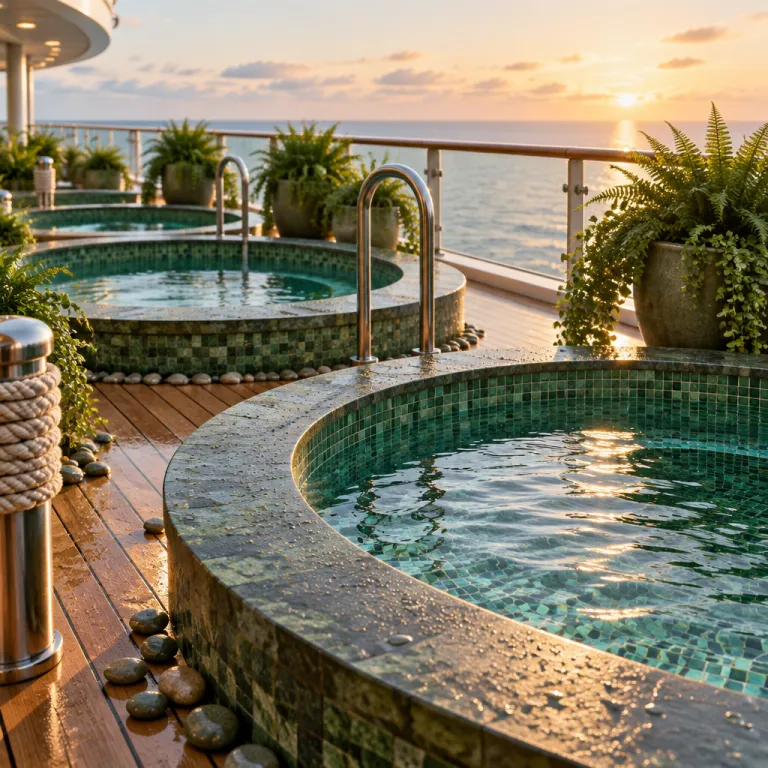
Why 6 a.m. matters for cruise ship hydrotherapy wellness
The real test of cruise ship hydrotherapy wellness happens long before breakfast. At 6 a.m., when most passengers still sleep, the spa becomes a quiet stage where the day’s first thermal experience shapes everything that follows. Those who step out early feel the ship itself become part of their wellness ritual, with the low hum of engines and the horizon still in half light.
On luxury cruises, this early hour is when the thermal suite is at its most serene, and the sequence of hydrotherapy pool, aromatic steam, and ice fountain works exactly as designed. A typical hydrotherapy circuit is defined as “a series of water-based treatments designed to promote relaxation and health,” a description used by spa industry bodies such as the International Spa Association. As one spa manager on a Northern Europe itinerary put it, “Our 6 a.m. guests treat this hour like a moving meditation, not just another amenity.” Spa staff guide cruise passengers through this circuit with a precision that feels almost clinical, yet the overall experience remains deeply sensual and anchored in relaxation.
From a booking perspective, travellers who care about wellness should treat spa access like a cabin category, not an add on. Many cruise lines sell a limited number of passes to thermal suites, and industry reports from Cruise Industry News indicate that the typical price for a multi day thermal suite pass on mainstream and premium ships often falls in the low hundreds of US dollars per voyage, rather than matching the cost of a full suite upgrade. When you book a cruise ship focused on wellness, that early morning access to steam rooms and spa rituals is what separates a simple holiday from a restorative voyage.
Inside the 6 a.m. hydrotherapy circuit: from aromatic steam to ice fountain
Step into the spa at 5:55 a.m., and you usually share it with only a handful of equally committed guests. The hydrotherapy pool is still mirror calm, the thermal air warm but not yet heavy, and the spa staff quietly prepare treatment rooms while you acclimatise to the dim light. This is where cruise ship hydrotherapy wellness feels closest to a private members’ club rather than a busy resort facility.
A well designed thermal suite on modern cruise ships follows a Nordic inspired sequence, moving you between aromatic steam, experience showers, cold plunge, and heated loungers. You rotate through steam rooms, then step under contrast showers or into an ice fountain, before stretching out on a lounger that faces the wake of the ship. The alternation of heat, cold, and rest is the key element that promotes circulation, deep relaxation, and a sense of mental clarity that lasts through shore excursions and long sea days.
Most spas offer structured hydrotherapy treatments as part of wider spa services, but the early circuit is usually self guided and quietly social. Guests can move together from one spa zone to another, adjusting the duration of each phase to match their own wellness needs and comfort levels. To get the best experience, arrive early to secure a spot, bring a swimsuit, and stay hydrated, because the thermal environment can be surprisingly intense even at sunrise.
Comparing wellness focused cruise lines: from Scenic Eclipse to Cunard’s queens
Not all cruise lines treat wellness as more than marketing, and the differences show at 6 a.m. Scenic Eclipse, for example, runs spa focused voyages where the thermal suites feel integral to the itinerary, especially on longer transatlantic cruises from Barbados listed in Scenic’s official brochures. Here, the spa treatments and aqua therapy sessions are scheduled with the same care as zodiac landings, and the ship’s compact size keeps the spa calm even on sea days.
Seabourn’s Mindful Living programme, created in collaboration with Dr Andrew Weil and described in Seabourn’s wellness programme materials, leans into clinical style wellness rather than pure spa aesthetics, and that matters for travellers who want more than a pleasant massage. Onboard these ships, acupuncture, Chinese herbal medicine, and guided meditation sit alongside classic spa treatments, so your 6 a.m. hydrotherapy circuit can be paired with breath work or a short mindfulness session. The result is a cruise ship hydrotherapy wellness experience that feels curated, not improvised, and the spa services connect directly to lectures and small group workshops later in the day.
Cunard offers a different angle on wellness with Queen Mary 2, Queen Elizabeth, and the newer Queen Anne, where the thermal suite becomes a refined extension of the ship’s heritage. A Norwegian fjords sailing on Queen Anne, for instance, turns the hydrotherapy pool into a front row seat on the landscape, especially on a July departure when the light lingers late and returns early. For many couples, these cruises are an accessible way to find cruise options that balance classic ocean liner atmosphere with modern spa culture, especially when booked in a spa focused room or spa grade suite category.
How to book a room, suite, and spa access for a 6 a.m. ritual
For couples using a luxury booking platform, the smartest move is to plan the spa before you choose the cabin. When you book cruises with a focus on cruise ship hydrotherapy wellness, check whether thermal suite passes are sold per day, per voyage, or bundled with specific rooms and suites. Some ships link spa access to certain cabin decks, which can quietly transform your morning routine if you only need to walk a few metres from your room to the hydrotherapy pool.
On lines such as MSC Cruises or Carnival’s newer ships, spa services and salon services are often grouped into wellness packages that include thermal access, priority booking for spa treatments, and sometimes healthier breakfast options. Couples who value relaxation should compare these packages with standard fares, because the price difference can be smaller than upgrading to a larger suite. When you use a curated platform like cruise-stay.com, you can also cross reference spa led voyages with culinary focused sailings, using guides such as the article on a refined culinary suite experience on luxury cruise stays to balance wellness with gastronomy.
Seasonality matters as much as ship choice, especially for summer sailings in popular regions. Booking a wellness focused cruise in shoulder season, particularly in June or September, usually means quieter ships, easier access to steam rooms, and more space in relaxation areas at 6 a.m. For couples who treat the hydrotherapy circuit as the central element of their day, that calmer atmosphere can be worth more than any extra square metres in the cabin.
FAQ
What exactly happens during a 6 a.m. hydrotherapy circuit onboard a cruise ship ?
A typical 6 a.m. hydrotherapy circuit starts with a warm up in the thermal suite, followed by time in aromatic steam rooms, a session in the hydrotherapy pool, and contrast experiences such as ice fountains or cool showers. Guests then move to heated loungers or a quiet relaxation room to let circulation and heart rate settle before breakfast. The whole sequence usually lasts around one hour and is designed to promote both physical wellness and mental clarity.
Are hydrotherapy circuits and thermal suites included in the cruise fare ?
On most premium and luxury cruise ships, access to thermal suites and hydrotherapy pools is not fully included in the base fare. Many cruise lines sell day passes or voyage long passes, and some suites or spa category rooms include this access as part of the package. Often, they require an additional fee or pass, so it is worth checking the details before you book.
How busy are cruise ship spas at 6 a.m. compared with later in the day ?
Early morning is usually the quietest time in cruise ship spas, especially on sea days when most passengers sleep in or head straight to breakfast. At 6 a.m., couples who value wellness can often move through spa treatments, steam rooms, and relaxation areas with very few other guests around. By late morning and mid afternoon, the same spaces can feel noticeably busier, particularly on larger ships and during peak season cruises.
What should I bring to a hydrotherapy session onboard a cruise ?
For a hydrotherapy circuit, you should bring a swimsuit, towel, and water bottle, even if the spa provides robes and slippers. A swimsuit is mandatory in shared thermal areas, and staying hydrated is essential because the combination of heat and steam can be dehydrating. Some couples also bring a light cover up or change of clothes if they plan to go straight to breakfast after their wellness session.
Is a thermal suite pass worth the cost for a short cruise ?
For a three or four night sailing, a thermal suite pass can still be worthwhile if you commit to using it daily, especially at 6 a.m. when the ship is quiet. The average cost of a pass is modest compared with upgrading to a larger cabin, and the wellness benefits of regular hydrotherapy, aromatic steam, and structured relaxation can significantly improve how rested you feel by the end of the cruise. Couples who prioritise calm, restorative time in the spa over late night entertainment usually see the best value from this investment.
References
Cruise Industry News ; 360Cruising ; Seabourn official wellness programme materials ; Scenic Eclipse brochures and itinerary descriptions.