Why cruise ship food sourcing is the real luxury test
On a luxury cruise, the first forkful of food tells you everything. Behind that perfect bite lies cruise ship food sourcing that has been planned port by port, day by day, across a global web of supply and compliance maritime rules. When you book a premium cabin, you are also buying into an invisible supply chain that must keep dining standards high while the ship is a thousand miles from land.
For discerning couples, the question is not only how the cruise lines plate dinner, but how they move food beverage products safely from farms and fisheries to the galley. Every cruise ship depends on tightly choreographed f&b operations that link warehouses, cold stores and specialist suppliers into resilient supply chains that can withstand weather, delays and changing cruise itineraries. The best cruise operators treat sourcing as a core part of the guest experience, not a back of house chore.
Luxury ships operate as floating resorts, yet their food supply is closer to an expedition than a city hotel. Each global cruise departure triggers a cascade of procurement decisions, from fresh herbs to plant based alternatives, all of which must respect safety standards and reduce food waste. When you compare cruise ships, you are also comparing how their procurement teams think about sustainability, operational risk and the romance of dining at sea.
Planning the larder around the itinerary
Provisioning for a luxury cruise starts long before the ship leaves port. Cruise ship food sourcing is mapped against the full route, with procurement teams calculating how many days the ship will sail before it can replenish fresh food supply in a major harbour. On a complex global cruise, that planning becomes a form of culinary navigation, where every port call shapes what appears on your plate.
Most large cruise lines use centralised hubs for key food beverage products, then layer in regional suppliers where cruise itineraries allow. A ship sailing from Miami to the Caribbean might load core frozen and dry stores in Florida, then top up fresh fruit, seafood and specialty items from island markets when operational timing and compliance maritime checks align. The same ship, repositioned to Northern Europe, will rely on different supply chains, different f&b sea logistics and different local partners, yet must still deliver a consistent onboard cruise dining experience.
For couples booking a suite, this planning directly affects the romance of a late night meal on the balcony. When provisioning is precise, the ship can offer more plant based menus, more regional dishes and fewer compromises late in the voyage. For a deeper look at how refined menus translate into the guest experience, explore this refined culinary suite experience on luxury cruise stays, which shows how operational sourcing decisions shape every course.
Cold chains, storage limits and the late voyage menu
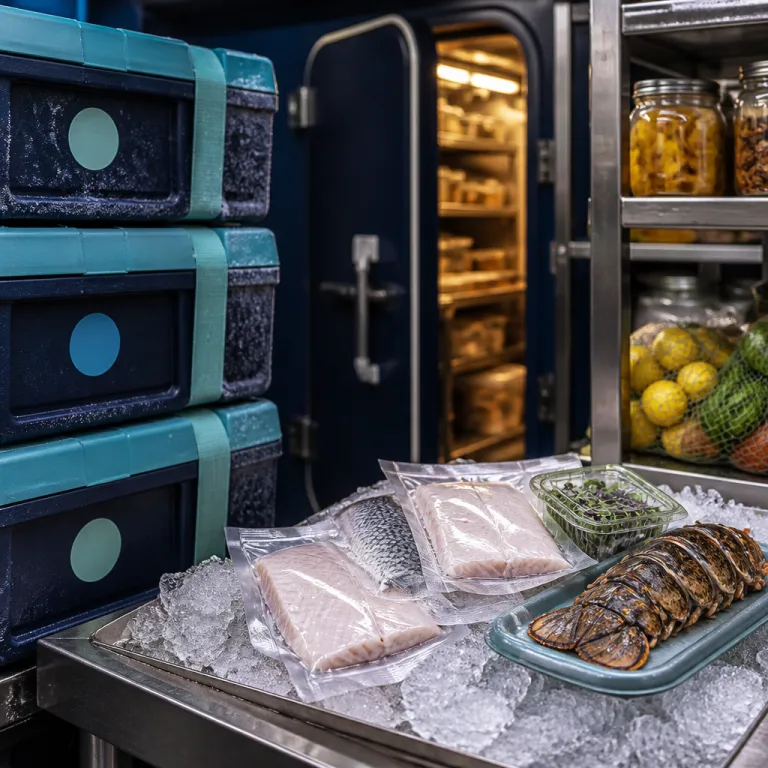
Once the ship sails, the cold chain becomes the quiet hero of every meal. Behind the scenes, vast refrigerated stores hold meat, seafood, dairy and plant based products at tightly controlled temperatures, while dry stores protect grains, spices and specialty items for the full length of the cruise. The longer the itinerary, the more pressure these operational systems face to keep food safe without sacrificing dining quality.
Onboard f&b operations are designed around how different products age at sea, which is why menus often shift subtly as the days pass. Early in the voyage, you might see delicate herbs, soft berries and raw preparations that rely on ultra fresh food supply, while later days lean into slow braises, cured fish and baked desserts that travel better in the ship’s stores. Thoughtful cruise operators do not hide these constraints ; they turn them into narrative arcs, using the menu to tell the story of the cruise ship and its journey through changing seas.
Premium cruise lines such as Royal Caribbean or Disney Cruise Line invest heavily in refrigeration technology, food waste tracking and safety protocols to protect both guests and crew members. Their f&b sea teams monitor food waste patterns, adjust portion sizes and refine supply chain orders for future cruise ships, closing the loop between operations and guest feedback. If you enjoy following how culinary teams work under pressure, this immersive culinary journey at sea offers a useful lens on how chefs adapt to the realities of sourcing onboard.
Local markets versus central hubs: where your dinner really comes from
One of the most romantic ideas in cruise dining is the chef shopping in a local market at dawn. In reality, cruise ship food sourcing balances that image with the hard facts of safety, volume and compliance maritime regulations that govern every kilo of food loaded onto the ship. For a vessel carrying thousands of guests and crew members, relying solely on small local markets would put both supply and safety at risk.
Centralised hubs allow cruise lines to vet suppliers, test products and maintain consistent standards across a global cruise fleet. These hubs feed the main supply chains with audited food beverage items, from premium beef to specialist gluten free and plant based alternatives, all tracked through digital systems that support traceability. When the ship does buy locally, it is usually for lower risk products such as whole fruits, hardy vegetables or certain regional specialties that can be checked quickly before they enter the onboard stores.
For couples who care about sustainability, the trade off is nuanced rather than simple. Local sourcing can reduce transport emissions on some cruise itineraries, yet centralised supply can cut food waste and improve safety by giving f&b operations better control over stock rotation. If you are curious how this balance plays out in other aspects of life at sea, the article on digital detox at sea shows how operational decisions quietly shape the overall onboard cruise experience.
Remote routes, smart menus and what couples should look for
Expedition ships sailing to polar regions or remote archipelagos face the sharpest edge of the provisioning problem. These cruise ships may go weeks without a major port, forcing procurement teams to design food supply plans that can withstand storms, ice and unexpected delays while still delivering refined dining. On such routes, every pallet loaded into the ship’s stores is a promise about the experience you will have onboard.
Rather than pretending constraints do not exist, the best cruise operators weave them into menu design. A remote cruise ship might highlight long aged cheeses, cured meats and robust vegetables early on, then introduce frozen at sea seafood and carefully stored fresh products as the voyage progresses, always respecting safety and minimising food waste. In the broader cruise industry, this approach separates lines that treat f&b operations as a cost centre from those that see sourcing as a creative discipline.
For couples choosing between cruise lines, ask how the line talks about cruise ship food sourcing, sustainability and supply chain transparency. Look for signs that procurement teams collaborate closely with chefs, that plant based options are integrated rather than token, and that crew members receive training on both safety and waste reduction. When a brand such as Royal Caribbean or Disney Cruise Line explains how its global cruise logistics support the galley, you gain a clearer sense of whether the operational backbone matches the promise of a romantic dinner at sea.
How to read between the lines when booking a culinary focused cruise
When you browse a luxury cruise brochure, the language around dining can feel interchangeable. To understand the real quality of cruise ship food sourcing, look for concrete details about supply chains, not just adjectives about gourmet cuisine. Lines that speak openly about sourcing, safety and sustainability usually run tighter f&b operations behind the scenes.
Study how cruise operators describe their partnerships with producers, from fisheries to plant based innovators, and whether they mention food waste reduction or traceable food beverage products. A serious approach to sustainability often includes investment in smarter stores management, digital inventory tools and training for crew members who handle food supply every day. These operational choices influence everything from the freshness of your breakfast fruit to the reliability of late night room service on a long global cruise.
Finally, pay attention to how a brand frames its cruise itineraries in relation to cuisine. When a cruise ship highlights regional markets, wine estates or farm visits, ask how those experiences connect back to what is served onboard. The most thoughtful cruise lines use their supply chain strengths to turn each ship into a moving restaurant that respects compliance maritime rules while still feeling rooted in the waters and ports you sail through.
FAQ
How do luxury cruise ships keep food fresh on long voyages ?
Luxury cruise ships rely on carefully planned cruise ship food sourcing, large refrigerated stores and strict temperature controls to keep food fresh over many days at sea. Core food supply items are loaded in bulk at major ports, then managed through digital inventory systems that track shelf life and stock rotation. This combination of planning and technology allows f&b operations to maintain dining quality even when the ship is far from land.
Do cruise lines really buy ingredients in local markets during the cruise ?
Some cruise lines do purchase certain products in local markets, especially hardy fruits, vegetables or regional specialties that can be checked quickly. However, most high risk food beverage items such as meat, dairy and seafood come from vetted suppliers within centralised supply chains to ensure safety and compliance maritime standards. Local sourcing is used as a complement to, not a replacement for, the main operational stores loaded before departure.
Why do menus change toward the end of a cruise itinerary ?
Menus often evolve because chefs design dishes around how different products perform over time in the ship’s stores. Early in the cruise, you may see more delicate ingredients that rely on ultra fresh food supply, while later days feature preparations that travel well, such as braises, bakes and cured items. This approach helps reduce food waste, maintain safety and keep the dining experience interesting throughout the voyage.
Are plant based options harder to manage at sea than traditional menus ?
Plant based menus present different challenges rather than greater ones, since many ingredients such as grains, legumes and some frozen vegetables store well in a cruise ship environment. The key is for procurement teams and f&b operations to plan enough variety and ensure that plant based products meet the same safety and quality standards as other food beverage items. On well run cruise ships, plant based dishes are integrated into the main dining experience rather than treated as an afterthought.
What should I ask a cruise line if I care about sustainable dining ?
If sustainability matters to you, ask how the cruise line manages food waste, which suppliers it uses for key products and whether it publishes any information about its supply chains. You can also enquire about how often the cruise ship takes on fresh stores during the itinerary and whether local sourcing plays a role in the menus. Lines that answer clearly on these points usually have stronger operational practices behind their marketing language.