Seven Seas Prestige review 2026 and the shift toward space over spectacle
Seven Seas Prestige arrives as a quiet but confident statement about where ultra luxury cruising is heading. Instead of chasing water parks and digital gimmicks, the new Regent Seven Seas Cruises ship leans into generous proportions, calm and a slower rhythm of travel that feels closer to a high end coastal residence than a floating resort. For couples used to design forward city hotels, this 2026 assessment signals a ship built for long lingering mornings on the balcony rather than late night theatre queues.
Key specs and guest layout
The headline numbers matter here; the ship is designed for 822 guests yet spreads them across a Prestige Class footprint where standard suites start at roughly 30–35 square meters (Regent’s published minimum is 307 square feet in its brochure materials) and climb dramatically in size, with 88 percent of accommodations opening to a private veranda according to Regent’s preliminary specifications. That density is lower than on the existing Explorer class, and it shows in the generous corridors, the wider deck promenades and the way each public lounge frames a view of the sea rather than a shopping arcade. In more detailed coverage of Seven Seas Prestige, the word space often appears before the word luxury, and that ordering is deliberate even if the underlying figures originate in early company fact sheets rather than independent audits.
Regent Seven Seas Cruises positions the vessel as the first of a new Prestige Class, not a one off experiment, and that matters for anyone weighing future cruise deals or planning a multi year travel strategy. The line has been clear about its objectives: “set new standards in luxury cruising”, “offer unparalleled space and service”, “introduce innovative suite categories”, language drawn from Regent’s launch materials and Fincantieri’s yard notes. For guests who already know ships such as Seven Seas Explorer or Seven Seas Splendor, this 2026 review reads like the next logical chapter, where the brand doubles down on what worked and quietly retires anything that felt like a compromise.
Prestige class design: suites, decks and the new residential mindset
Walk through the deck plans of Seven Seas Prestige and you see the shift immediately in how suites dominate the real estate. Instead of carving the ship into many small cabins, Regent Seven Seas Cruises has created a Prestige Class layout where even the entry level suite feels like a compact apartment, with a defined living area, a proper walk in wardrobe and a balcony deep enough for two loungers and a table. Couples who usually book larger hotel rooms in Miami or San Juan will recognise the emphasis on liveable square footage rather than just somewhere to sleep between shore excursions.
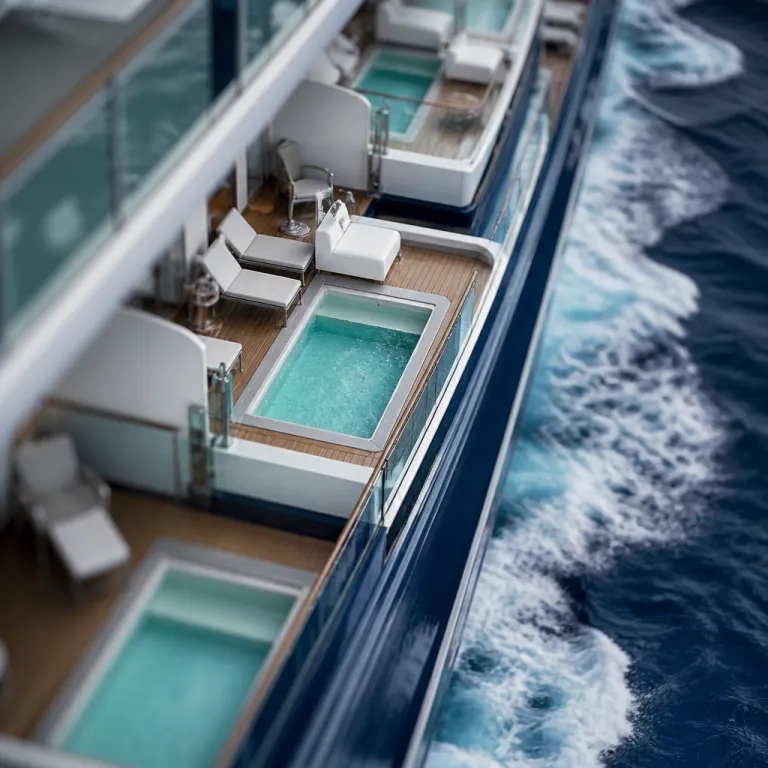
The new Skyview Suites sit at the heart of this discussion because they introduce a two level, rooftop terrace concept that has been rare at sea. Each Skyview Suite stretches across an internal level with bedroom and lounge, then rises to a private outdoor deck where a hot tub, daybeds and a dining area turn the area into a personal sky deck with a wide view over the bow or wake. For guests used to the Regent Suite on Seven Seas Explorer or the top suites on Seven Seas Splendor, the Skyview Regent configuration feels like a natural evolution, taking the idea of a prestige suite and pushing it vertically rather than just horizontally.
At the very top sits the Skyview Regent Suite, which Regent Seven Seas Cruises describes in its launch communications as the largest suite at sea at approximately 817 square meters (around 8,800 square feet) when including its expansive terrace, a figure cited in early company briefings and repeated in trade coverage rather than independently verified technical documents. This is not just a bigger room; it is a residence with its own spa area, a panoramic skyview terrace and a layout that allows hosts to entertain friends on board without sacrificing privacy. One luxury travel outlet compared the feel to “a penthouse in Miami lifted intact onto a ship”, and that captures the intent better than any brochure language.
How Seven Seas Prestige positions Regent against new ultra luxury rivals
The timing of Seven Seas Prestige matters because it arrives just as a new wave of ultra luxury cruise brands enters the market. Four Seasons I, for example, sails with around 190 guests and sells its suites almost like private residences, while Explora III from Explora Journeys brings 463 suites and liquefied natural gas propulsion to the conversation about sustainable luxury at sea. In that context, any honest comparison has to ask whether Regent Seven Seas Cruises is trying to mimic these newcomers or chart its own course.
On paper, Four Seasons I looks more intimate, and the OE Corinthian with its 54 suites and sailing yacht profile feels almost like a private club at sea. Yet Regent’s answer with the Prestige Class is not to shrink the ship but to increase the personal footprint per guest, keeping capacity at 822 while stretching public rooms, widening outdoor decks and ensuring that most suites have a veranda with a clear view of the horizon. Where Four Seasons experiments with per suite pricing models, detailed in several analyses of what per suite fares mean for luxury cruising, Regent leans on its all inclusive structure and uses Seven Seas Prestige to refine the onboard experience rather than the fare architecture.
For couples comparing a voyage aboard Seven Seas Grandeur, a sailing on Explora III or a season on Four Seasons I, the trade off becomes clear. Aboard Seven Seas Prestige, you gain the scale to offer multiple speciality restaurants, a proper thermal spa and varied shore excursions, yet you still feel the low density calm of an ultra luxury ship when you walk the open deck at dusk. One frequent Regent guest described stepping into the observation lounge on a preview tour and “hearing the sea before hearing other people”, a small but telling detail that underlines how the line is trying to balance intimacy and choice.
All inclusive refined: what will actually be included on Seven Seas Prestige
Regent Seven Seas Cruises has built its reputation on an all inclusive promise that feels almost old fashioned in the best possible way. Air, transfers, speciality dining, premium drinks and a generous selection of shore excursions are typically included in the fare, so guests can step on board without worrying about a running tab. The question for any close look at Seven Seas Prestige is whether this new Prestige Class ship will add new inclusions or simply refine how the existing benefits are delivered.
Early indications from the line suggest that the core model will remain intact, with Seven Seas Prestige using its extra square footage to enhance what is already included rather than bolt on new paid experiences. Expect a wider choice of included shore excursions in marquee ports such as Miami and San Juan, more intimate speciality venues where the cover charge is already baked into the fare, and wellness spaces that feel closer to a destination spa than a standard cruise ship gym. For couples used to parsing the fine print of cruise deals, the appeal lies in knowing that the prestige will not be diluted by constant up selling once you are on board.
In practical terms, that means a guest in a Prestige Suite or a higher category such as the Regent Suite or Skyview Regent Suite can treat the ship as a fully inclusive resort at sea. Gratuities, Wi Fi, most drinks and many shore excursions are already included, so the only real decisions involve how to use your time and which deck offers the best view for sunset. Industry analyses often estimate Regent’s effective daily rate in the mid to high hundreds of US dollars once air and excursions are factored in, and Seven Seas Prestige extends that logic by giving guests more physical room for the same everything bundled promise.
Itineraries, shipyard pedigree and what the launch signals for future ships
Seven Seas Prestige is being built at the Fincantieri shipyard in Marghera, near Venice, a yard with a long history of constructing high end cruise ships. Construction began in October, the float out followed the next November, and delivery is scheduled for December according to Fincantieri project notes and Regent press releases, a timeline that reflects both advanced shipbuilding techniques and close collaboration with luxury interior designers. Those dates, drawn from these primary announcements rather than third party speculation, show Regent Seven Seas Cruises treating this Prestige Class as a long term investment rather than a quick response to market noise.
Early itineraries already hint at the target guest, with warm weather routes linking Miami, San Juan and other classic Caribbean ports where the focus is on relaxed sea days and curated shore excursions rather than frantic port hopping. Aboard Seven Seas Prestige, the sea days become a feature, not a filler, because the ship itself offers enough variety and quiet corners to feel like a destination, from the observation lounge to the open deck areas designed for unhurried walks. For couples who care as much about the anchorage as the onboard entertainment, this newbuild reads like an invitation to slow down and let the horizon do the talking.
Regent Seven Seas Cruises has been explicit about the expected impact of the new ship: “elevate brand prestige and attract discerning travelers,” as one senior executive put it during the reveal. That language aligns with a broader trend across the industry, where lines from Windstar to Four Seasons are betting on smaller ships, more generous suites and itineraries that feel more like curated journeys than mass market cruises, a shift explored in depth in analyses of boutique cruising’s next chapter. For travellers who already know ships such as Seven Seas Explorer, Seven Seas Splendor or Seven Seas Grandeur, the arrival of Seven Seas Prestige suggests that the next decade of luxury cruise design will be defined less by spectacle and more by the quiet, confident luxury of room to breathe.
FAQ
When will Seven Seas Prestige launch and how many guests will it carry ?
Seven Seas Prestige is scheduled for delivery in December, after construction at the Fincantieri shipyard in Marghera and sea trials in the preceding months, based on Regent and Fincantieri launch communications. The ship is designed for 822 guests, a capacity that allows Regent Seven Seas Cruises to maintain a low guest to space ratio. That relatively small number for a ship of this size underpins the calm, uncrowded atmosphere highlighted in detailed coverage of the vessel.
What makes the Skyview Regent Suite different from other top suites at sea ?
The Skyview Regent Suite on Seven Seas Prestige is notable because it combines a vast internal footprint with a private rooftop terrace, creating a true two level residence at sea. At around 817 square meters including its outdoor areas, it is currently described by Regent Seven Seas Cruises in its marketing as the largest suite at sea, with its own spa area, panoramic skyview deck and dedicated service. For guests familiar with the Regent Suite on Seven Seas Explorer, this new configuration feels like a step change in how space and privacy are handled on an ultra luxury cruise ship.
How does Seven Seas Prestige compare to existing Regent ships like Seven Seas Explorer and Seven Seas Splendor ?
Seven Seas Prestige belongs to a new Prestige Class that builds on the design language of Seven Seas Explorer and Seven Seas Splendor but increases space per guest and introduces new suite categories. While all three ships offer an all inclusive luxury cruise experience, Prestige pushes further with Skyview Suites, larger public areas and a higher proportion of verandas. Travellers who enjoy the décor and service on Explorer or Splendor will likely find Prestige familiar yet noticeably more spacious.
Will the all inclusive model change on Seven Seas Prestige compared with other Regent ships ?
Regent Seven Seas Cruises has indicated that the core all inclusive model will remain in place on Seven Seas Prestige, meaning that fares will continue to include air, transfers, most drinks, speciality dining and a wide range of shore excursions. The main evolution lies in how those inclusions are delivered, with more intimate venues, expanded wellness spaces and a broader selection of included tours in key ports. For guests evaluating cruise deals across different luxury brands, this consistency makes it easier to compare value without worrying about hidden extras once on board Seven Seas Prestige.
Which itineraries will best showcase what Seven Seas Prestige can offer to couples ?
Early itineraries suggest that Seven Seas Prestige will focus on routes where sea days and scenic cruising play a central role, such as Caribbean voyages between Miami, San Juan and smaller islands, or Mediterranean journeys with longer stretches between marquee ports. These sailings allow couples to fully enjoy the generous deck space, the privacy of their suites and the residential feel of the Skyview and Prestige Suite categories. For travellers planning a romantic trip, choosing itineraries with a balanced mix of port calls and sea days will make the most of what this new Prestige Class ship is designed to deliver.