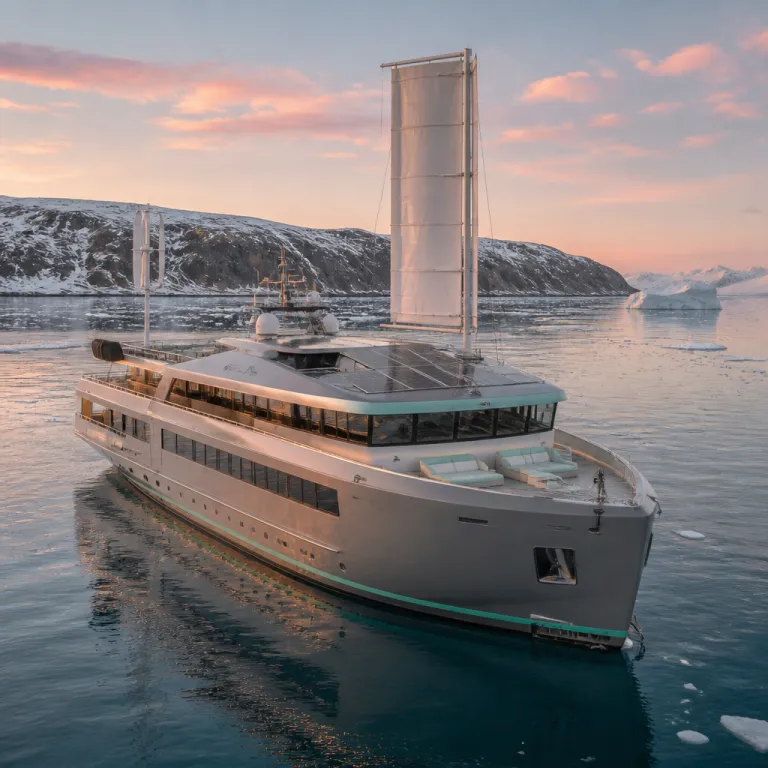
Why a 36 passenger expedition yacht changes the Arctic equation
On most so called small ships in the Arctic, 200 guests still queue for Zodiacs. Aboard the Captain Arctic expedition yacht, just 36 guests share the rail, the mudroom and the landing schedule, which reshapes every hour of the experience. This ultra low density ship feels closer to a private sailing yacht than a cruise vessel, yet it carries the safety systems, immersion suits and polar expertise of a serious expedition yacht.
The Captain Arctic expedition yacht is a 70 metre luxury yacht designed by Selar for cold water regions such as Northern Norway, Svalbard and Greenland. Where larger yachts charter with several hundred guests, this single yacht keeps numbers low enough that every landing can be timed to light, wildlife and weather rather than to crowd management. That scale difference matters when you explore fragile Arctic shorelines, because the captain can adjust the plan in minutes without needing to move a floating resort sized ship.
Compare the numbers and the logic becomes clear for conscious explorers. Seabourn Venture carries around 264 guests and Le Commandant Charcot around 245, while Captain Arctic sails with only 36 guests and a large crew, so the ratio feels closer to a private yacht charter than to a traditional cruise. Fewer guests mean more time on the water in small groups, more flexible use of water toys and kayaks, and a quieter, more eco conscious atmosphere on deck when the solar systems take over and the ship glides under wind.
Wind, solar sails and the reality of near zero carbon expedition cruising
Selar positions Captain Arctic as the first expedition yacht with near zero emissions, and the hardware on board backs up that claim. The ship combines clean electric propulsion with rigid solar sails and around 2 000 square metres of solar panels, which together can cut carbon emissions by up to 90 percent compared with a conventional luxury yacht of similar size. For travellers used to paying in eur for premium cabins, that close carbon profile is part of the value proposition, not an afterthought.
On deck, the rigid solar sails look more like sculptural wings than traditional canvas, yet they work with the wind to reduce the load on the batteries and engines. When conditions allow, Captain Arctic can move at modest speed knots under a blend of wind and solar power, with the hull optimised for cold water efficiency rather than for headline grabbing speed knots. The result is a quieter sailing yacht style motion, where you hear the ice crack and the water lap against the hull instead of constant engine vibration.
Operational reality in the Arctic is more complex than any brochure suggests. There will be days when the captain and yacht captain must rely on stored electric power and backup systems, because polar night, heavy cloud or strong headwinds limit what the solar sails and solar panels can deliver. Yet even then, the combination of organic heating, autonomous water production and strict zero waste policies keeps the overall carbon emission profile far below that of most yachts charter operations in similar destinations.
For travellers comparing options, it helps to think in terms of what a given crew can actually deliver per passenger. A detailed look at service ratios, such as in the Butler Test on cruise stay, shows how an 11 to 1 crew ratio can transform daily life on board. On Captain Arctic, that same philosophy extends to the technical équipe, where engineers, deckhands and expedition leaders work together to keep carbon emissions low without compromising safety in cold water or the comfort levels expected on a modern luxury yacht.
Meet the crew: the human engine behind Captain Arctic
Hardware only takes you so far in the Arctic ; the crew makes or breaks the voyage. Selar is led by co founder and CEO Sophie Galvagnon, described as the first female Arctic captain and an ice specialist, and that expertise filters down through the entire équipe. When guests step aboard this expedition yacht, they are entering a culture built around seamanship, science and respect for cold water environments rather than around entertainment schedules.
The yacht captain and bridge team have designed routes that work with the wind and ice, not against them, which is essential when your propulsion depends on solar systems and sails as much as on batteries. Expedition leaders coordinate with the captain to time landings for wildlife behaviour, light and tide, so guests can explore each destination in small, quiet groups. Safety briefings cover immersion suits, cold water protocols and Zodiac operations in clear, unhurried detail, which reassures even first time conscious explorers.
Below decks, the hotel crew run the ship more like a high end lodge than a conventional cruise. A compact fitness room, Nordic style spa facilities and calm lounges give guests space to warm up after time on the water, while guides debrief the day with charts and satellite images. The team handling water toys, kayaks and paddleboards understands that Arctic conditions change quickly, so they work closely with the bridge to decide when the cold or wind makes an activity unsafe, and they explain those calls openly rather than hiding behind vague weather excuses.
Selar also invests in training the crew to talk honestly about carbon emissions and the limits of technology. You will hear engineers explain how rigid solar structures differ from traditional solar sails, and why solar panels perform differently in low angle Arctic light. That transparency builds trust, because guests see that the people running this luxury yacht are not selling perfection, but are instead working every day to keep carbon emission levels as low as possible in some of the harshest waters on earth.
Life on board for conscious explorers paying an Arctic price tag
For many travellers, the first question is simple ; what does a voyage on Captain Arctic feel like compared with a larger ship. With only 36 guests on board, public spaces stay quiet even on sea days, and you can usually find a window seat without staking a claim at breakfast. The atmosphere is more like a private yacht charter shared with a small group of like minded conscious explorers than like a traditional cruise with fixed seating and background noise.
Cabins are designed with the same eco conscious logic as the propulsion system, using efficient insulation and smart ventilation to handle cold water climates without wasting energy. Expect Scandinavian inspired materials, large windows and subtle references to the Arctic rather than heavy décor, with every cabin wired into the ship wide renewable energy systems. Bathrooms use water saving fixtures, while the autonomous water production plant below deck ensures that long itineraries in remote destination regions do not strain local water supplies.
On deck, guests spend much of their time near the rail or in the sheltered observation lounges, watching the interplay of light, ice and water. When conditions allow, the crew launch water toys such as kayaks and paddleboards, always with immersion suits and strict cold water safety protocols in place. The fitness room offers low impact equipment that works well with the motion of a sailing yacht, so you can maintain a routine without competing for machines, and the spa team understands how to warm muscles after long hours in rigid Zodiac seating.
Dining follows the rhythm of the expedition rather than a fixed restaurant schedule. If the captain spots whales near the ship or a rare light phenomenon over the ice, service can pause so guests can explore the deck with cameras and binoculars, then resume without fuss. Pricing will reflect the economics of running a near zero carbon expedition yacht for only 36 guests, so expect fares in eur that sit above many larger luxury yacht options, but that premium buys time, space and a level of immersion that big yachts simply cannot match.
The economics and future of ultra low density, low carbon Arctic cruising
Running a 70 metre expedition yacht for just 36 guests is a bold financial move. In a market where many yachts charter with six or seven times that number, Selar is effectively betting that travellers will pay a significant eur premium for space, silence and a close carbon footprint. The combination of advanced solar technology, rigid solar sails and a highly trained crew means operating costs sit closer to those of much larger yachts, even though revenue per voyage is capped by the small guest list.
For the model to work, fares on Captain Arctic will need to reflect both the hardware and the human capital on board. Each sailing yacht style voyage spreads the cost of solar panels, batteries and safety systems such as immersion suits across far fewer guests than on a conventional ship, which pushes per person pricing into the upper tier of the luxury yacht market. Yet for travellers who value low carbon emissions and meaningful time ashore over casino floors and production shows, that trade off feels rational rather than extravagant.
The launch of Captain Arctic also sends a signal to the wider fleet of expedition yachts. If a small French company such as Selar can operate a near zero carbon expedition yacht in cold water regions, larger brands will face pressure to rethink their own carbon emission strategies. Conscious explorers are already asking detailed questions about fuel types, speed knots profiles and waste management, and ships that cannot answer with specifics risk losing the most informed segment of the market.
Over time, expect to see elements of this design filter into other yachts charter offerings. Rigid solar structures, smarter hulls for low speed efficiency and better integration between hotel systems and propulsion will become standard talking points, not niche innovations. For now, though, Captain Arctic stands out as a test case for how far a single ship can push the balance between luxury, safety and environmental responsibility in some of the coldest waters on the planet.
FAQ
What is Captain Arctic and who operates it ?
Captain Arctic is a 70 metre expedition yacht designed for Arctic regions such as Northern Norway, Svalbard and Greenland, carrying only 36 guests in luxury. It is owned and operated by Selar, a French company specialising in sustainable expedition cruising, with co founder and CEO Sophie Galvagnon, the first female Arctic captain and ice specialist, leading the project.
How eco friendly is the Captain Arctic expedition yacht in practice ?
The Captain Arctic expedition yacht combines wind assistance, rigid solar sails, extensive solar panels and clean electric propulsion to reduce emissions by up to 90 percent compared with similar sized ships. On board systems such as autonomous water production, organic heating and a strict zero waste policy further lower carbon emissions during each voyage.
Where will Captain Arctic sail and what kind of itineraries can guests expect ?
Captain Arctic will operate in Arctic destination regions including Northern Norway, Svalbard and Greenland, focusing on cold water routes that highlight wildlife, ice and remote communities. Itineraries are designed for small group landings, long Zodiac excursions and flexible timing, so guests can explore shorelines and fjords when conditions are at their best.
What safety measures are in place for cold water operations ?
The ship carries immersion suits for guests and crew, along with polar specific safety gear and trained expedition leaders who specialise in cold water procedures. Briefings cover Zodiac operations, landing protocols and emergency drills in detail, ensuring that even first time Arctic travellers understand how to move safely on deck and ashore.
How does the small size of Captain Arctic affect the onboard experience ?
With only 36 guests, the yacht offers an intimate atmosphere, short embarkation lines and high crew to guest ratios that feel closer to a private yacht charter than to a conventional cruise. Public spaces, the fitness room and lounges remain uncrowded, and the captain can adjust plans quickly for wildlife sightings or weather shifts without needing to manage large crowds.