1. Reading an expedition cruise ship equipment guide like a pro
Every serious expedition cruise ship equipment guide starts with one question. Will the ship you are booking behave like a true expedition vessel, or will it quietly revert to traditional cruising once the weather turns and the ice closes in? The gap between expedition cruises and a conventional cruise is written in steel, gear and the credentials of the expedition équipe, not in brochure adjectives.
When you compare expedition ships, look first at how many guests the vessels carry and how many expedition team members sail with them. A genuine expedition cruise keeps passenger numbers low, often under 200 passengers in polar regions, so that ships carry enough Zodiacs and guides for swift landing operations and intimate wildlife encounters.[1] IAATO, “Visitor Guidelines and Landing Site Management,” accessed 2024. By contrast, many cruise ships marketed for expedition cruising keep the scale of a small ship only on paper, while still operating like mainstream cruise lines once the expedition conditions become demanding.
A credible expedition cruise ship equipment guide also explains how the ship is used day by day. On a real expedition voyage, the daily rhythm follows the environment, with pre-departure briefings, Zodiac landings, kayaking and hiking shaped around ice, tides and wildlife rather than spa appointments. The best expedition cruises treat the ship as a mobile base camp, where the expedition ship is simply the platform that gets you into remote polar regions, penguin colonies and Arctic fjords rather than the destination itself.
2. Polar class, hulls and the hard limits of ice and weather
The single most important line in any expedition cruise ship equipment guide is the polar class rating. Polar class tells you whether the ship can safely enter polar regions with seasonal ice, or whether it must linger at the edge like a traditional cruise ship taking photos from afar. For serious expeditions in Antarctica or the Arctic, you should look for at least PC6, with PC5 offering stronger capability for longer seasons and heavier ice conditions.[2] IACS, “Requirements Concerning Polar Class,” rev. 2023; IMO, Polar Code, 2017.
Many new expedition ships are marketed as polar-ready vessels, yet some have no formal polar class at all. These ships will still sail to Antarctica or the Arctic, but they must avoid heavier ice and may not reach remote areas such as dense pack ice near the North Pole or narrow channels where penguin colonies thrive on exposed rock. When you read about a polar class hull, ask whether the cruise ship can actually push through brash ice to reach a landing site, or whether it will be forced into traditional cruising patterns that stay in open water.
Look also at propulsion and stability technology, which serious cruise lines now highlight alongside polar class. Dynamic positioning systems allow an expedition ship to hold position without dropping anchor on fragile seabeds, while advanced stabilisers reduce motion in rough seas such as the Drake Passage between South America and Antarctica. For a deeper technical view on how propulsion choices shape itineraries and environmental impact, consult analysis of LNG, hydrogen and sail assisted cruise propulsion published by classification societies and shipyards in 2022–2024, then apply that lens to any expedition cruising brochure you read.
3. Zodiacs, landing craft and the small details that decide your day ashore
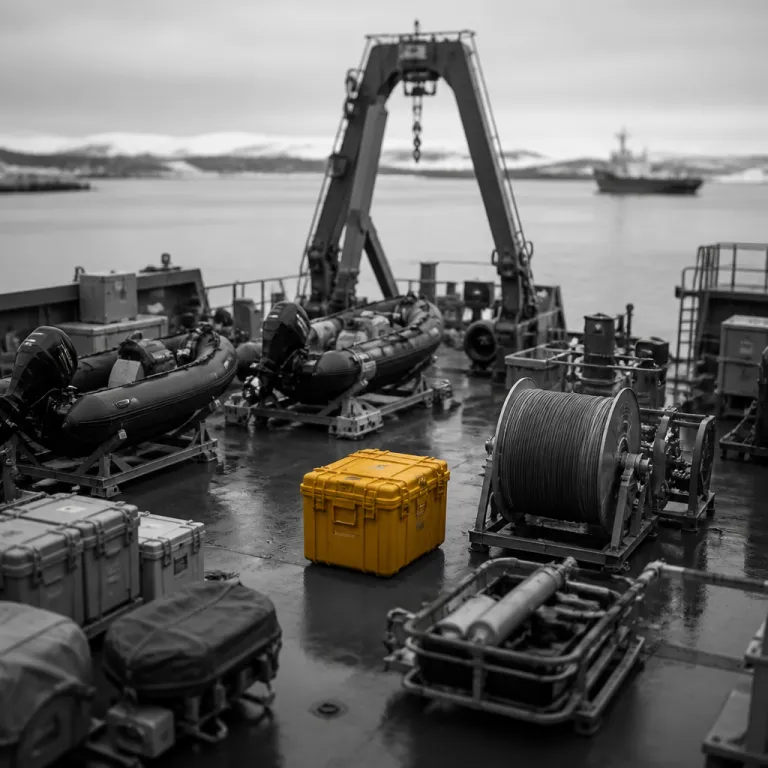
The heart of any expedition cruise ship equipment guide is the Zodiac and landing craft section. Expedition ships live or die by how efficiently they can move passengers from ship to shore for each landing, especially in Antarctica and other polar regions where weather windows are short. A real expedition ship will carry enough Zodiacs so that all guests can be ashore or cruising among ice in one or two rotations, not waiting in stairwells for hours.
When cruise lines publish numbers, look for how many Zodiacs the ship carries relative to passengers, and whether the expedition team are trained drivers or repurposed hotel staff. For example, Lindblad Expeditions–National Geographic typically fields around 15 Zodiacs for roughly 148 guests on National Geographic Endurance, with an expedition équipe of naturalists, marine biologists and local guides who handle Zodiac operations with scientific focus rather than simple sightseeing.[3] Lindblad Expeditions, “National Geographic Endurance – Ship Overview,” technical specifications, accessed 2024. The difference shows when you are drifting quietly beside wildlife-rich cliffs or weaving through ice floes instead of following a rigid loop like a harbour tour.
Some cruise ships now add submarines and helicopters to their gear lists, which can be thrilling but are not always practical tools for daily expeditions. Scenic Eclipse, for example, carries a six-guest submarine that offers rare perspectives beneath the ice, while other expedition ships prioritise rugged landing craft that can beach on rough shores.[4] Scenic Luxury Cruises & Tours, “Scenic Eclipse Fact Sheet,” ship brochure, 2023. Before you are seduced by toys, check whether the ship has enough open deck space, efficient gangways and a well-drilled guides expedition structure to keep each day of expedition cruising focused on landings, wildlife and remote exploration rather than queuing for headline experiences; for connectivity expectations, remember that modern satellite systems such as those described in analysis of satellite internet on luxury cruise ships in 2022–2024 can support both safety operations and guest communication.
4. Expedition team credentials, ratios and what they mean for you
Hardware gets you into the ice, but people interpret what you see once you arrive. Any serious expedition cruise ship equipment guide should devote as much space to the expedition team as to the ship itself. On a true expedition cruise, the Expedition Leader, Naturalist Guide and Marine Biologist form a core trio, supported by a wider équipe of specialists and local guides who know the polar regions intimately.
Look closely at guest-to-guide ratios, which are a reliable quality signal in remote environments. A strong expedition ship might sail with one guide for every eight to twelve passengers, allowing small groups to fan out safely across landing sites and penguin colonies without crowding wildlife.[5] Sample expedition cruise brochures from high-end polar operators, 2022–2024 seasons. When ratios creep towards one guide for twenty or more guests, you are edging back towards traditional cruising, where commentary is delivered over loudspeakers rather than in quiet conversations on the ice.
Membership in organisations such as IAATO for Antarctica or AECO for the Arctic indicates that cruise lines respect strict landing protocols and wildlife guidelines.[6] IAATO and AECO, “Member Lists and Field Guidelines,” accessed 2024. Operators like Lindblad Expeditions and the National Geographic fleet often integrate citizen science projects into daily expeditions, turning each day of travel into a chance to contribute to real datasets on marine ecosystems and polar change. As one operator-level explanation puts it with useful clarity, “What is an expedition cruise? A voyage to remote destinations focusing on exploration and education.”
5. Cabins, gear rooms and how a hotel grade stay meets expedition reality
For many readers of an expedition cruise ship equipment guide, the question is how a hotel-quality stay meshes with the rigours of polar expeditions. Luxury expedition ships now offer suites that rival high-end city hotels, yet the smartest designs prioritise mudrooms, gear storage and drying rooms just as highly as marble bathrooms. If a ship feels like a floating resort but lacks practical spaces for boots, lifejackets and wet outerwear, you are likely looking at traditional cruising dressed in expedition language.
Examine deck plans to see where gear is handled between ship and shore, and whether there are dedicated staging areas near the Zodiac platforms. On a well-designed expedition ship, passengers move from cabin to mudroom to landing craft in a smooth flow, with the expedition équipe checking gear, safety equipment and landing conditions at each step. This choreography matters in Antarctica, the Arctic and other remote regions where a delay of thirty minutes can mean losing a weather window or missing a wildlife sighting.
Most operators provide essential expedition gear such as waterproof boots and lifejackets, while recommending that guests bring their own waterproof outer layers and binoculars. Packing lists in a good expedition cruise ship equipment guide will emphasise waterproof clothing, sturdy footwear and binoculars as non-negotiable items, because each day may involve wet Zodiac rides, snowy landings and long periods standing quietly near wildlife. When cruise lines underplay gear needs, it is often a sign that they expect more scenic cruising from the ship and fewer demanding landings ashore.
6. Itinerary promises, landing statistics and the real test of an expedition ship
The final section of any honest expedition cruise ship equipment guide should help you test whether a ship can actually land you where the brochure imagery suggests. Ask operators how many landings per day they aim for in Antarctica or the Arctic, and how many were achieved on recent expeditions in similar seasons. A robust expedition ship with strong polar class, ample Zodiacs and an experienced expedition équipe will usually target two activities per day, mixing landings and Zodiac cruising depending on ice and wildlife.
Average expedition cruise duration in polar regions often sits around ten days, which gives enough time to reach remote areas yet still maintain flexibility for weather and ice.[7] CruiseMapper, aggregated voyage data for polar expedition itineraries, accessed 2023. Over that durée, a well-run expedition cruise might deliver fifteen to twenty distinct landings or Zodiac cruises, while a more traditional cruise ship in expedition clothing may manage only a handful of short shore visits.[8] Recent polar season reports and sample daily programmes from leading expedition cruise lines, 2022–2024. When you read reviews, pay attention to how often guests mention being on deck watching scenery from afar instead of stepping onto the ice or walking among penguin colonies.
Environmental infrastructure also shapes what is possible, especially as ports and polar gateways adapt to new regulations and shore power requirements. For a deeper understanding of how port technology and cold ironing influence where cruise ships can berth or anchor, and how that affects itineraries for expedition ships, consult analysis of the shore power and port infrastructure gap in maritime industry reports from 2021–2024. In the end, the best expedition cruises are those where the ship, the gear, the expedition team and the itinerary all align, turning each day of travel into a genuine expedition rather than a scenic extension of traditional cruising.
Key figures that matter when choosing an expedition ship
- Average expedition cruise duration in polar regions is around 10 days, which balances long sea crossings with enough time for multiple landings and Zodiac cruises (CruiseMapper, global average across major operators).[7]
- Many serious expedition ships cap passenger numbers below 200 guests in Antarctica, because IAATO guidelines and landing site capacity limit how many people can be ashore at once without harming wildlife or fragile terrain.[1][6]
- Guest-to-guide ratios of 1:8 to 1:12 are common on high-end expedition cruises, while traditional cruising products marketed as expedition may operate with ratios closer to 1:20, reducing personal interaction and flexibility ashore.[5]
- Polar class PC6 hulls are designed for seasonal operation in medium first-year ice, while PC5 hulls are engineered for year-round operation in thicker first-year ice, which extends the viable season in both Antarctica and the Arctic.[2]
- Typical daily programmes on true expedition cruises include two core activities per day, such as a morning landing and an afternoon Zodiac cruise, compared with one short port call on many traditional cruise itineraries.[8]
FAQ about real expedition ships and their equipment
What is an expedition cruise and how is it different from traditional cruising?
An expedition cruise is a voyage to remote destinations that focuses on exploration, education and wildlife rather than entertainment and shopping. Ships are usually smaller, with reinforced hulls, extensive gear and a large expedition équipe that leads landings and Zodiac cruises. Traditional cruising prioritises onboard amenities and port calls, while expedition cruising treats the ship as a base camp for daily adventures ashore.
What should I pack for an expedition cruise in Antarctica or the Arctic?
Most expedition cruise ship equipment guide checklists start with waterproof outer layers, insulated mid layers and moisture-wicking base layers. You should also bring sturdy waterproof boots if they are not provided, plus a warm hat, gloves, and high-quality binoculars for wildlife watching from deck and Zodiacs. Many operators supply lifejackets and sometimes boots, but personal comfort in polar regions depends on your own clothing system.
How many landings per day should I expect on a serious expedition ship?
On a well-run expedition ship in Antarctica or the Arctic, you can usually expect up to two core activities per day, such as a morning landing and an afternoon Zodiac cruise. Weather, ice and wildlife always dictate the final plan, so flexibility is essential. If an itinerary regularly delivers only one short shore visit every couple of days, it is closer to traditional cruising than to true expedition travel.
Are expedition cruises suitable for families and first time polar travellers?
Some expedition cruises are designed for families, with flexible activities and educational programmes for younger passengers, while others are more demanding and better suited to experienced travellers. First time visitors to polar regions should look for ships with strong polar class, low guest numbers and high guide-to-guest ratios, which make landings safer and more rewarding. Always check with the operator about age limits, activity levels and cabin configurations before booking.
Who leads activities on board and ashore during an expedition cruise?
On a genuine expedition ship, activities are led by a dedicated expedition équipe that includes an Expedition Leader, naturalist guides, marine biologists and often local experts. This team conducts pre-departure briefings, drives Zodiacs, guides hikes and delivers evening lectures that interpret what you have seen each day. Their expertise is as critical as the ship’s hardware in turning a scenic cruise into a meaningful expedition.
Sources: [1] IAATO operator guidelines on landing site capacities and passenger limits, accessed 2024; [2] International Maritime Organization Polar Code and IACS Polar Class descriptions, latest revisions 2017–2023; [3] Lindblad Expeditions–National Geographic ship specifications for National Geographic Endurance, accessed 2024; [4] Scenic Eclipse technical and guest materials, 2023; [5] Sample expedition cruise brochures from high-end polar operators, 2022–2024; [6] IAATO and AECO membership and field guidelines, accessed 2024; [7] CruiseMapper aggregated voyage data for polar expedition itineraries, accessed 2023; [8] Recent polar season reports and sample daily programmes from leading expedition cruise lines, 2022–2024.