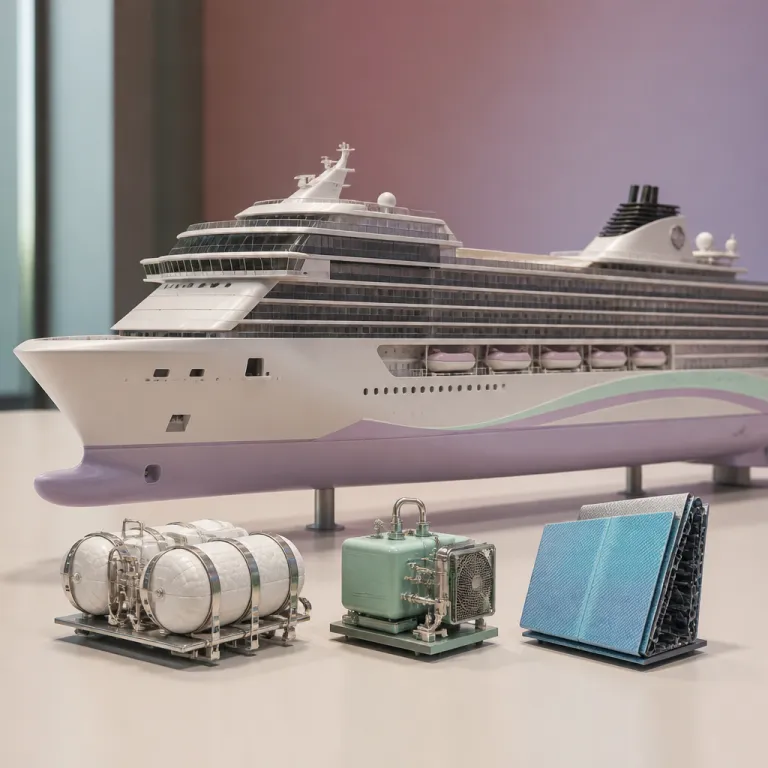
Why cruise ship LNG hydrogen propulsion matters for luxury travelers
The quiet revolution in cleaner cruise ship propulsion is reshaping what a luxury voyage can be. For business leisure travelers who care about both service and sustainability, the choice of ship propulsion now influences which cruise lines feel aligned with their values. A new generation of vessels, from LNG powered giants to hydrogen assisted ships and wind supported yachts, is redefining what it means to sail responsibly.
At the heart of this shift is fuel, and how marine energy is generated, stored and used onboard. Liquefied natural gas, usually shortened to LNG, is replacing heavy fuel oil and diesel on many new cruise ships because it burns cleaner and supports more advanced propulsion systems. According to the International Maritime Organization and data cited by the European Maritime Safety Agency, switching from conventional marine gas oil to LNG can cut sulfur oxide emissions by up to 99 %, nitrogen oxides by as much as 85 %, and greenhouse gas emissions by roughly 20 to 30 % on a tank-to-wake basis compared with traditional marine gas oil.1
For you as a guest, this technical change affects the feel of the cruise as much as the footprint. LNG powered engines and hybrid propulsion system designs reduce vibration and noise, so a powered cruise in a suite near the stern can be calmer than on older diesel engines ships. The trade off is that LNG and hydrogen fuel infrastructure is still limited, so itineraries may favor ports with reliable natural gas supply and shore power connections, such as Rotterdam, Barcelona, Southampton and select terminals in Florida and Scandinavia.
Luxury cruise lines, shipbuilders and environmental agencies now work together to design vessels that balance comfort, safety and lower emissions. These actors are integrating LNG engines, hydrogen fuel cells and wind assisted propulsion systems into new ships to cut fuel consumption and comply with tightening marine regulations such as IMO 2020 sulfur caps and the IMO greenhouse gas strategy. As a traveler booking through a premium platform, you will increasingly see propulsion system details highlighted alongside cabin size and butler service, especially on sustainability focused itineraries.
LNG: the pragmatic present of low emission cruise ships
LNG is liquefied natural gas used as a cleaner burning fuel in cruise ship engines. In practice, that means the gas is cooled to around minus 162 degrees Celsius, stored in insulated tanks onboard, then warmed and fed to engines or dual fuel systems that can also burn marine diesel when required. For large cruise ships sailing from major hubs, LNG currently offers the most mature path to lower emissions without sacrificing range or hotel style power demand.
On a luxury itinerary, you will most often encounter LNG on new generation ships from major cruise lines such as MSC Cruises, Royal Caribbean and Explora Journeys, which have all ordered or launched LNG powered flagships. These LNG fueled vessels typically cut carbon dioxide emissions by around 20 to 30 percent compared with similar diesel powered ships, while almost eliminating sulfur and sharply reducing nitrogen oxides, figures that align with assessments from the International Council on Clean Transportation.2 The result is cleaner air around the ship and in port, which matters when you are enjoying your balcony or working on your laptop between meetings and shore excursions.
From a guest experience perspective, LNG and advanced ship propulsion systems translate into quieter nights and smoother slow speed maneuvering. Because LNG engines and related propulsion systems can be paired with electric motors and azipods, the propulsion system can respond more precisely when the captain holds position off a fragile anchorage where the harbour is too beautiful to dock. That precision helps protect marine ecosystems while still delivering the dramatic sail in that many guests expect from a high end cruise ship.
There are limits you should understand before you book a powered cruise marketed as green. LNG is still a fossil fuel, and methane slip from engines and supply chains can erode some of the climate benefit, so gas based cruise ship propulsion is a transition step rather than an end state. When you compare fares, it is worth reading how much of the ticket price supports cleaner fuel, shore power connections and verified offsets, a topic we unpack in detail in this guide to what a luxury cruise fare really buys you on cruise pricing and value.
Hydrogen fuel cells and Viking Libra: the experimental frontier
Hydrogen fuel is moving from theory to practice, and Viking Libra is one of the early names to watch if you care about hydrogen assisted cruising. On this planned vessel, hydrogen fuel cells are expected to work alongside conventional marine engines in a hybrid propulsion system that can switch between hydrogen, LNG and possibly marine gas oil depending on route and availability. Hydrogen fuel cells generate electricity by combining hydrogen and oxygen, producing water as a byproduct.
For guests, the appeal of a hydrogen capable ship such as Viking Libra lies in both symbolism and sensory experience. When the fuel cell system carries a significant share of the hotel load, the ship can run with very low noise and vibration, especially at night or during slow scenic cruising. That quiet, combined with the knowledge that the hydrogen powered mode produces no direct carbon emissions, can make a balcony breakfast or a late video call feel more in tune with the landscapes you are sailing through.
Hydrogen on cruise ships remains experimental, and the infrastructure gap is real. Ports with reliable green hydrogen supply, storage and safety systems are still rare, with early pilots clustered in Northern Europe and select Mediterranean hubs, which means a hydrogen powered cruise ship will rely on dual fuel engines and LNG or diesel backup for long ocean crossings. For now, hydrogen fuel cells are most likely to be used in coastal regions or fjords where regulators and environmental agencies encourage zero emission operation to protect sensitive marine environments.
When you browse itineraries on a luxury booking website, look for clear explanations of how much of the voyage will run on hydrogen fuel cells versus LNG or diesel engines. Some cruise lines will highlight pilot projects, while others quietly test fuel cells onboard without making them the headline. If you value low impact travel as much as a refined onboard experience, pairing a hydrogen capable ship with thoughtful extras such as the elevated drinks and dining of the Viking Silver Spirits package can create a voyage that feels both progressive and indulgent.
Wind assisted sails and small ship elegance
While LNG and hydrogen dominate the conversation about low emission cruise propulsion, a quieter renaissance is happening under sail. Wind assisted propulsion systems use sails or similar technologies to harness wind energy for ship movement. On luxury vessels such as the sail inspired ships in the Windstar and Ponant fleets, solid sails and advanced rigging can provide meaningful power at 10 to 12 knots in the right conditions.
These ships are not pure sailing yachts, but hybrids where wind, diesel engines and sometimes LNG or battery power work together. The propulsion systems on such vessels are designed so that when the wind is strong, the sails carry much of the load and fuel consumption drops sharply. When the breeze fades or precise maneuvering is needed near a tight harbour, the propulsion system shifts back to conventional marine engines or electric pods.
For business leisure travelers, the appeal of wind assisted cruise ships is as much about atmosphere as emissions. Standing on deck under working sails, with only a low hum from auxiliary power, feels very different from a fully powered cruise on a large LNG ship. Cabins may be smaller than on the biggest cruise ships, but the sense of connection to the sea and the lower emissions profile can more than compensate for the reduced onboard entertainment systems.
Wind assisted vessels also tend to visit smaller ports where shore power and LNG or hydrogen bunkering are not yet available. That means your choice of ship propulsion indirectly shapes your port days, from quiet fishing villages to remote Arctic anchorages where the captain drops the tender instead of docking. When you evaluate itineraries, ask whether the ship is equipped with modern sails, how often they are actually used for propulsion, and how the crew balances wind, fuel and schedule on a typical cruise.
How to read propulsion claims when booking a luxury cruise
Marketing language around advanced cruise propulsion can be opaque, so it pays to read beyond the headline. When a cruise ship is described as LNG powered, check whether it uses pure LNG engines or a dual fuel system that can switch back to diesel, and how often that happens on your chosen route. For hydrogen powered claims, verify whether fuel cells are installed at scale or only as a small pilot project for hotel loads.
Ask your advisor or the booking website for concrete data on emissions reductions, fuel consumption and shore power usage for specific ships. Some cruise lines publish lifecycle assessments that compare LNG, natural gas and diesel engines performance, while others only share broad percentages without context. As the International Maritime Organization notes in its greenhouse gas strategy, even with LNG and fuel cells, the industry benchmark of net zero by mid century will require technologies and propulsion systems that do not yet exist at commercial scale.
Port infrastructure is the missing piece that many glossy brochures gloss over. A ship may have advanced propulsion system hardware onboard, but if the ports on your itinerary lack green hydrogen, LNG bunkering or high capacity shore power, the vessel will still burn conventional fuel for much of the voyage. When you care about sustainability, itineraries that include ports with shore power and modern marine energy systems can be more impactful than a single hydrogen ship sailing to under equipped destinations.
Finally, consider how propulsion choices intersect with your own patterns as a business leisure traveler. If you work from your suite during sea days, quieter LNG or fuel cell assisted power can make a tangible difference to comfort and concentration. For deeper context on how these technical investments show up in your fare, our analysis of what a high daily cruise rate really buys on medical services and onboard care shows how safety, health and propulsion all compete for the same capital budgets.
What this means for your stay before and after the cruise
Choosing a cruise ship with advanced LNG, hydrogen or sail assisted propulsion is only part of a lower impact journey. The hotels you book before and after the cruise, and how you move between airport, city and port, also shape your overall emissions profile. A luxury and premium booking website that understands ship propulsion trends can help you align your stays with the same sustainability standards you expect onboard.
When you select a pre cruise hotel near the terminal, look for properties that report their own energy mix, from renewable power to efficient heating and cooling systems. Pairing an LNG powered or hydrogen assisted ship with a hotel that uses certified green electricity and modern building systems can significantly reduce the combined footprint of your trip. The same logic applies to post cruise stays, especially in cities where public transport or electric transfers can replace private diesel vehicles.
Some cruise lines now package stays with preferred hotels that match their marine sustainability narrative. If a line invests in fuel cells, dual fuel engines and advanced propulsion systems, it is reasonable to expect similar ambition in its land based partners. When you see a package, ask whether the hotel and transfer providers measure emissions, and whether the overall itinerary has been designed with energy efficiency in mind rather than just convenience.
For executives extending business trips into leisure, this joined up view of ship, cruise and hotel choices is becoming a new form of status literacy. Knowing the difference between LNG, hydrogen fuel and wind assisted propulsion, and how those systems interact with your stays ashore, allows you to curate trips that are both indulgent and intellectually satisfying. Over time, as more ships adopt fuel cells, as companies like Rolls Royce refine marine engines and as ports expand natural gas and hydrogen infrastructure, the most desirable itineraries will be those where every segment of the journey respects the horizon you came to see.
FAQ
What is LNG and how is it used in cruise ships?
LNG is liquefied natural gas used as a cleaner burning fuel in cruise ship engines. It is stored in insulated tanks at very low temperatures and then warmed into gas before being fed to dual fuel or pure gas engines. On modern cruise ships, LNG reduces sulfur, nitrogen oxide and carbon dioxide emissions compared with traditional marine diesel.
How do hydrogen fuel cells work on cruise ships?
Hydrogen fuel cells generate electricity by combining hydrogen and oxygen, producing water as a byproduct. On a cruise ship, this electricity can power hotel loads such as lighting, air conditioning and some propulsion systems, reducing reliance on diesel engines. Because the process emits only water at the point of use, hydrogen fuel cells can support near zero emission operation in sensitive marine areas.
What are wind assisted propulsion systems on modern vessels?
Wind assisted propulsion systems use sails or similar technologies to harness wind energy for ship movement. On cruise ships and expedition vessels, these systems work alongside conventional engines, allowing the crew to reduce fuel consumption when wind conditions are favorable. Solid sails, kites and advanced rigging are all being tested to provide additional power without increasing emissions.
Are LNG and hydrogen powered cruise ships already common in luxury fleets?
LNG powered cruise ships are now established in the fleets of several major cruise lines, especially for large vessels sailing from well equipped ports. Hydrogen powered ships are still in the pilot phase, with projects such as Viking Libra using fuel cells alongside conventional engines rather than relying on hydrogen alone. As port infrastructure for natural gas, hydrogen and shore power expands, more luxury ships will adopt these propulsion technologies.
How can I factor propulsion into my cruise booking decisions?
When comparing cruises, check whether the ship is LNG powered, uses dual fuel engines, has hydrogen fuel cells installed or relies solely on diesel engines. Ask for clear information on emissions reductions, shore power usage and how often advanced propulsion modes are used on your chosen itinerary. Combining this knowledge with your preferences for ship size, onboard atmosphere and pre or post cruise hotels will help you choose a voyage that matches both your standards and your values.
References
- International Maritime Organization and European Maritime Safety Agency reports on air emissions and greenhouse gas reductions from LNG compared with conventional marine fuels.
- International Council on Clean Transportation (ICCT) analyses of LNG fueled ships, carbon dioxide reductions and methane slip in marine engines.