Autumn Douro river cruise: harvest weeks, wine estates and slow sailing
Why autumn turns the Douro river into a working stage
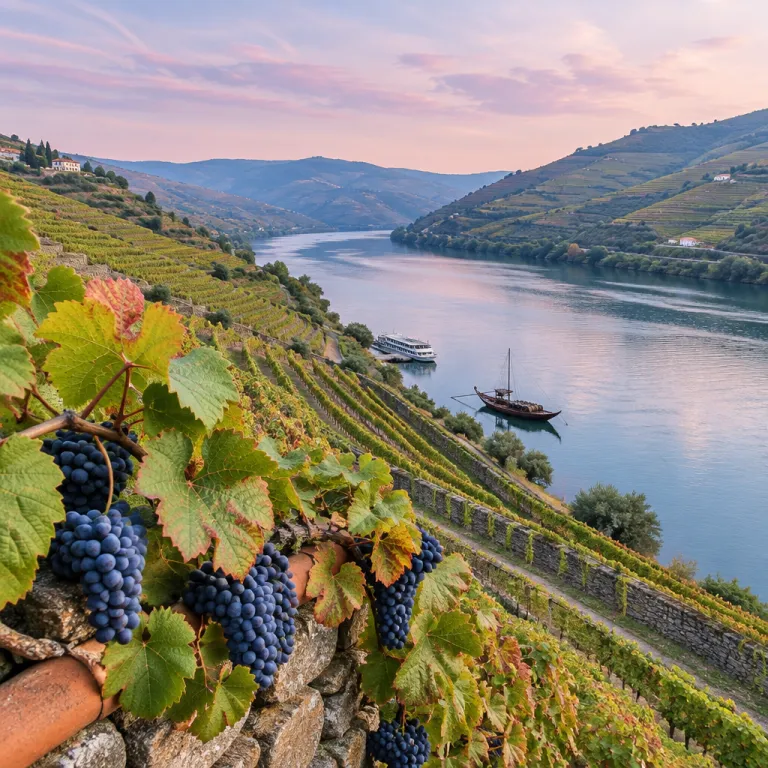
Autumn on the Douro River is not a postcard season; it is a working theatre where vines, boats and people move in rhythm. During these harvest weeks, a Douro River cruise in autumn aligns soft light, calm river days and the vindima grape picking at full pace. The result is a river valley that feels intensely alive, with every day shaped by the wine calendar rather than by cruise timetables.
On a clear day the terraces of the Douro Valley glow in copper, ochre and deep green, and a luxury river cruise glides between them at a deliberately slow pace. The River Douro is narrower than the Rhine–Main corridor and its small locks dictate the size of river cruises, which keeps the ships intimate and the shore excursions unhurried. This scale suits couples who prefer long shore time, curated tours and quiet cabins over big ship theatrics and late night entertainment.
From the first port cruise out of Porto to the last sunset view tour near the Spanish border, the rhythm is gentle. Most itineraries keep sailing days short, often four to six hours, so that each day leaves generous time for a walking tour through a riverside village or a private visit to a working quinta. In autumn, typically from early September to late October, the price of a Douro River cruise often reflects this premium access, but the value lies in seeing the valley at its busiest, not its most crowded.
What a harvest week on the Douro river cruise really includes
A well designed Douro River cruise in autumn usually starts with one or two days in Porto, a city that frames the river like an amphitheatre. You check into a river facing hotel, drop your bags and step straight into the historic centre for a guided walking tour that links the cathedral, the azulejo tiled station and the port lodges across the river. This Porto bookend gives you time to find your bearings on the map of the city before you sail upstream into the quieter river valley.
Once on board, a typical seven day itinerary will include daily shore excursions to wine estates, small towns and UNESCO heritage landscapes. In the heart of the Douro Valley, you might explore a family run quinta such as Quinta do Seixo or Quinta da Pacheca during harvest, taste still fermenting wine in the lagares and then sit down to a long lunch under the vines. On many premium river cruises with operators such as Uniworld, Scenic or CroisiEurope, transfers, guided tours and most meals will be provided in the base price, while optional activities such as private tastings or helicopter flights sit outside the core package.
The hardware matters here because the river itself is so particular. Ships built for the Rhine–Main or other broad European rivers cannot simply be moved to Portugal, as the Douro River locks and bends demand shorter hulls and shallower drafts. That constraint shapes life on board, from the size of the lounge to the intimacy of the sun deck, and it also limits departure dates, which cluster around the harvest window when the valley is at its most atmospheric. For readers who enjoy innovative engineering on the water, the compact, purpose built feel is closer to sailing a small design led vessel than to a conventional big ship, and the low profile and panoramic windows are designed to keep the focus on the surrounding vineyards.
From Porto to Vega de Terrón: pace, ports and hidden harvest stops
The classic Douro River cruise in autumn runs from Porto to the Spanish frontier at Vega de Terrón, with most cruises taking eight days to complete the round trip. Sailing upstream, the River Douro narrows and the terraces steepen, and each day brings a different balance between time on the water and time ashore. Couples who like to unpack once yet still feel they are touring multiple regions of Portugal will appreciate how the scenery and the wine styles shift with every bend in the river valley.
Early in the week, shore excursions focus on the lower Douro Valley, where port wine houses own grand estates and the UNESCO heritage designation protects the cultural landscape. You might join a small group tour of a hillside quinta in the morning, then return to the ship for a relaxed lunch service while the captain navigates the next lock. Later days often include an exploration of lesser known villages, where you can walk narrow lanes, visit small churches and taste table wine that rarely leaves the region.
At the Spanish border, some itineraries offer a change of scene with a coach transfer from Vega de Terrón to Salamanca, a golden stone university city that contrasts sharply with the river towns. Here a guided walking tour reveals cloisters, plazas and tapas bars, before you return to the ship in time for a quiet evening on deck. One autumn evening, as the ship drifts away from the quay and the terraces darken, you might hear the last clatter of crates from a distant vineyard and smell crushed grapes on the air, a small sensory reminder that your Douro harvest week cruise is sharing the river with real working farms.
Weather, crowds, pricing and how to pair your cruise with the right stay
Choosing a Douro River cruise in autumn means accepting a little weather drama in exchange for softer light and fewer crowds. Days are usually warm enough for deck time, though mornings can be cool and the occasional rain shower sweeps through the valley. Compared with high summer, the city of Porto feels calmer, the river cruises are less dominated by families and the overall pace suits couples who prefer conversation and scenery to pool games and loud music.
From a practical point of view, autumn departure dates often carry a slight price premium over shoulder months, because demand for harvest weeks is strong among wine focused travellers. When you compare offers, look closely at what is included in the base price, from shore excursions and port tastings to whether lunch, dinner and drinks are bundled or à la carte. A realistic guide price for Douro Valley harvest cruises is often in the region of €2,000 to €4,000 per person for a week in a balcony cabin, depending on the operator and inclusions.
Hotel choices matter as much as the ship, especially if you add pre or post cruise days in Porto or in the valley. In the city, aim for a hotel with direct river views so that your first and last impressions of Portugal are framed by the Douro River itself. Upstream, a night or two at a wine estate hotel lets you stay in the landscape you have been gliding past, and it turns your autumn Douro River cruise into a fuller journey that blends river time, vineyard time and quiet evenings under the vines.
FAQ
How many days do I need for a Douro river cruise in autumn ?
Most luxury Douro River cruises in autumn run for seven or eight days, which allows time for both Porto and the upper valley. A shorter four or five day cruise is possible, but you will see less of the River Douro and may have fewer shore excursions included. For couples planning a hotel stay before or after, ten to twelve days in total gives a comfortable pace.
Is autumn weather suitable for spending time on deck ?
Autumn on the Douro River usually brings mild days, cool mornings and the chance of some rain. You can expect comfortable deck time on most days, especially in the early afternoon when the sun warms the river valley. Packing layers, a light waterproof and closed shoes for walking tours will keep you comfortable in changing conditions.
Are harvest season cruises more expensive than summer departures ?
Prices for a Douro River cruise in autumn can be slightly higher than for early spring or late season dates, because demand for harvest weeks is strong. However, they are often comparable to peak summer prices, while offering fewer crowds and more atmospheric scenery. When comparing offers, focus on what is included, from shore excursions and wine tastings to whether flights will be provided as part of the package.
Can I combine a Douro cruise with other European river cruises ?
It is possible to pair a Douro itinerary with other European river cruises, such as a Rhine–Main journey, by planning back to back departure dates. The ships and rivers are very different, with the Douro being narrower and more intimate than the larger central European waterways. Many travellers fly into one hub city, complete a tour on the Rhine–Main, then continue to Portugal for a contrasting week on the Douro River.
What kind of excursions should I expect during harvest weeks ?
During a Douro River cruise in autumn, shore excursions focus heavily on wine, heritage and landscape. You can expect visits to quintas in the Douro Valley, tastings of both port and table wine, walking tours in small towns and occasional day trips such as a visit to Salamanca from Vega de Terrón. Some cruises also offer optional tours by 4x4 or boat to reach more remote corners of the river valley, especially during a dedicated Douro harvest week cruise of 7 days or more.