The new luxury: when the best view is the room itself
On the latest generation of luxury cruise ships, a quiet revolution is happening behind closed doors. Designers are creating a new class of cruise suite where the real horizon is the interior, not the balcony rail. For families used to judging a luxury cruise cabin by the size of its terrace, this shift can feel radical yet deeply logical.
Across high end cruises, roughly 15 percent of suites on luxury ships now forgo balconies in favor of expanded living areas and panoramic windows, a figure that reflects a deliberate design choice rather than a cost saving compromise. Cruise ship designers and naval architects argue that in certain parts of a cruise ship, balconies are structurally inefficient, exposed to high winds and rarely used for more than a few minutes each day. Instead, they are channeling that square meterage into richer ship interior experiences, from larger bedrooms to family sized living rooms and spa like bathrooms that feel closer to a private yacht than a traditional cabin.
This is where luxury cruise suite design trends are moving fastest, especially in the top suite class categories on class ships operated by major cruise lines. The most coveted cruise suite options now treat the room as a destination in itself, with layered interior design, bespoke furniture and lighting schemes that change from sunrise to nightcap. For parents traveling with children, these suites luxury concepts offer something surprisingly rare at sea, a calm, cocooning space where everyone actually wants to stay in rather than rush out to the pool deck.
From balcony to bay window: how designers reclaim space at sea
The balcony tax is real, and you feel it most in standard cruise cabin layouts where the outdoor strip steals depth from the bedroom and living area. On many premium cruise ships, that narrow terrace is exposed to wind, overlooked by neighbors and used for perhaps twenty minutes a day, usually with a towel pinned down against the breeze. Luxury cruise suite design trends are challenging this logic by asking a simple question, what if the best return on space comes from pulling the square meters back inside.
On Orient Express Corinthian, all 54 suites are being designed as a homage to the golden age of rail travel rather than as miniature apartments with balconies hanging over the seas. The ship interior will favor deep window seats, timber paneling and layered fabrics that recall a royal train carriage more than a conventional cruise ship corridor. Instead of a terrace, guests get a cruise interior that feels like a moving salon, with long horizontal windows framing the waterline and making the room itself the most compelling place to linger.
Patricia Urquiola’s Owner’s Residences on Explora III push this idea even further, with more than 280 square meters of interior space, a marble bathroom and a private steam room that turn the suite into a self contained spa. Here, the design priority is not an outdoor ledge but a sequence of rooms, from bedroom to dressing area to bathing space, that function like a small yacht club residence at sea. For a deeper look at how bathrooms now define the character of ship suites, the analysis in this guide to suite design at sea is essential reading before you choose between balcony and bay window.
Light, warmth and the tension between glass and intimacy
Every luxury cruise designer now wrestles with the same question, how much glass is enough. Floor to ceiling windows are the default promise in almost every premium cruise suite, especially on headline ships such as Icon of the Seas and the newest class ships from Royal Caribbean and MSC Cruises. Yet the most interesting luxury cruise suite design trends are less about sheer glass area and more about how that light is balanced with intimacy, warmth and acoustic comfort for families.
On Royal Caribbean, the Icon of the Seas loft suite and Royal Suite categories showcase this tension clearly, with double height windows that flood the room with light while careful zoning keeps the bedroom and children’s sleeping areas sheltered from glare. Celebrity Cruises takes a different approach in its top suite class, using angled windows and deep window seats to create semi private nooks where you can watch the seas without feeling on display. Expedition focused cruise lines sailing to remote regions such as Antarctica or the Arctic often favor slightly smaller panes with heavy drapery, prioritizing insulation and darkness for long nights over the theatricality of a full glass wall.
For families planning a caribbean cruise or a polar itinerary, the right balance between view and cocoon depends on how you actually live in the room. If you are booking a luxury cruise primarily for the ports and off ship adventures, as in many premium Antarctica cruise tours, you may value blackout, storage and flexible sleeping arrangements over a wall of glass. Our detailed route focused review of premium Antarctica cruise tours explains why some of the best cabins for serious travelers are not the ones with the biggest windows but the ones with the smartest interior design.
Materials, safety and why some ideas never leave the drawing board
Designing a luxury cruise suite is not like fitting out a penthouse on land, because every material must survive salt air, vibration and some of the strictest fire codes in hospitality. Cruise ship designers work with naval architects from the earliest sketches, testing layouts in digital models and even wind tunnels to understand how a ship interior will behave at sea. This is one reason why certain areas of cruise ships, especially forward and high decks, are now reserved for suites without balconies, where solid walls and panoramic windows perform better in high wind conditions.
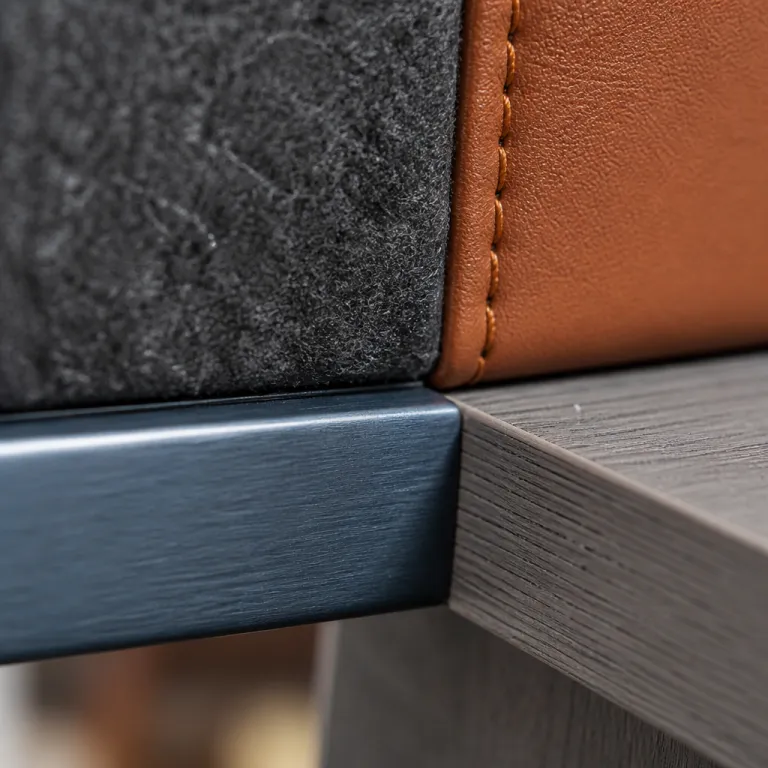
Marine grade specifications limit what can be used in a cruise suite, from fabrics to wall coverings and even the adhesives behind the panels. The most successful luxury cruise suite design trends embrace these constraints, using engineered woods, treated leathers and stone look composites that deliver a royal level of finish without compromising safety. In practice, this means that a so called royal suite on a major brand such as MSC or Royal Caribbean may feel closer to a private yacht in mood, even if every surface has been tested to withstand heat, impact and constant motion.
Families comparing suites luxury options across different cruise lines should pay attention to how these technical choices translate into comfort, especially in the bedroom and children’s sleeping areas. A well insulated cruise cabin with a thoughtful cruise interior will stay quieter when the ship docks early or sails late, which matters more to rest than the exact size of the balcony. As one set of cruise line reports puts it clearly, “Why do some luxury suites lack balconies? To maximize interior space and ensure safety in high-wind areas. Are suites without balconies less expensive? Not necessarily; pricing depends on various factors. Do windowed suites offer good views? Yes, they often feature large panoramic windows.”
How to choose: reading deck plans like a designer, not a marketer
When you browse a luxury cruise booking website, the balcony icon still dominates the filters, yet the smartest families now start with the floor plan rather than the terrace. To evaluate luxury cruise suite design trends properly, look first at how the room is zoned for sleeping, playing and working, especially if you are traveling with children or grandparents. A well planned cruise suite will offer a clear separation between the main bedroom and the living area, with doors rather than curtains and enough circulation space for early risers to move without waking everyone.
Pay attention to where the suite sits on the cruise ship, because midship locations often feel more stable and quieter than forward or aft positions, particularly on larger cruise ships. On some class ships, the most desirable ship suites are actually the inward facing ones overlooking an internal courtyard or promenade, where the absence of a balcony is offset by generous interior design and better sound insulation. For families who value calm over spectacle, these can be the best rooms on board, even if the marketing materials highlight the more dramatic terrace options.
Finally, consider the overall personality of the brand and the specific ship, whether you are looking at a caribbean cruise on a resort style vessel, a yacht club style enclave on a smaller ship or a design led expedition yacht. Our guide to the best family boats for luxury cruise style escapes breaks down which cruise lines and ships deliver the most thoughtful suite class layouts for parents and children. On cruise-stay.com, we always recommend verifying suite features before booking and weighing whether you will truly use a balcony, because on many modern ships the most luxurious choice is the suite that pulls you inward and makes you forget the terrace exists.
FAQ
Why do some luxury cruise suites have no balcony at all ?
Some luxury cruise suites skip balconies to reclaim space for the interior, allowing for larger bedrooms, living areas and spa style bathrooms. In exposed parts of a cruise ship, solid walls and panoramic windows also perform better in high winds and improve safety. For many families, this trade off results in a quieter, more comfortable room that feels closer to a private yacht residence than a traditional cabin.
Are suites without balconies cheaper than balcony cabins ?
Suites without balconies are not automatically less expensive, because pricing depends on location, size, service level and overall demand on each ship. A top tier windowed cruise suite in a dedicated suite class or yacht club enclave can cost more than a standard balcony cabin on the same cruise ship. When comparing options, focus on square meters, layout and included services rather than assuming that a balcony always signals the best value.
Do windowed luxury suites still offer good ocean views ?
High end windowed suites on modern cruise ships often feature floor to ceiling or extra wide panoramic windows that frame the seas beautifully. These windows can be more practical than balconies in rough weather, because you keep the view while staying sheltered from wind and spray. Many families find they spend more time enjoying the horizon from a comfortable window seat inside the room than they ever did on a narrow terrace.
How can I tell if a non balcony suite will work for my family ?
Start by studying the deck plan and the detailed floor layout, checking how the bedroom, living area and children’s sleeping spaces are arranged. Look for doors between zones, generous storage and thoughtful interior design features such as blackout curtains and flexible seating. Reviews that focus on real family use, rather than just ship superlatives, will help you judge whether the suite feels like a welcoming apartment at sea or simply a larger cabin.
What should I verify before booking a luxury suite without a balcony ?
Before confirming a luxury cruise booking, verify whether the suite has panoramic windows, the exact square meterage and any potential obstructions to the view. Check the location on the cruise ship for noise sources such as lifts, theaters or open decks, which can matter more than the presence of a balcony. Finally, confirm included services such as butler access, priority boarding and dedicated dining, because these extras often define the overall sense of luxury more than the outdoor space itself.
References
Cruise Line Reports ; Royal Caribbean Group publications ; MSC Cruises design briefings.